Bengal Rehabilitation Group Physical Service Speech, Language & Voice Care


Speech, Language & Voice Care:
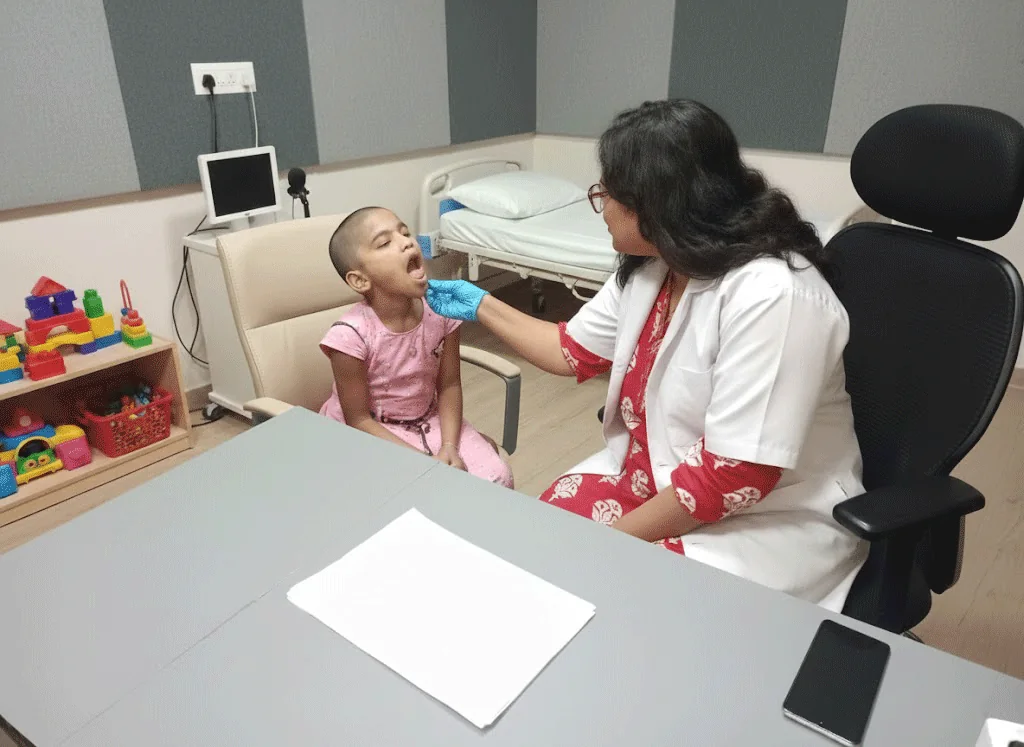
Speech problem
- Stutering/Stammering: A fluency disorder characterized by repetition of sounds, syllables, or words, along with blocks or prolongations. It often causes communication anxiety and affects social interaction, though therapy and counselling can help in management.
- Articulation Disorder: Difficulty in producing specific speech sounds, leading to unclear speech. Common in children but may also result from structural or neurological causes. Speech therapy focuses on accurate placement and manner of sound production.
- Cleft Lip & Palate: Congenital structural anomaly that impacts articulation and resonance. Children may demonstrate hypernasality, misarticulations, or nasal air emission. Combined surgical, dental, and speech therapy interventions are essential.
- Motor Neurone Disorder (MND): A progressive neurological disorder affecting motor control of muscles, leading to slurred speech (dysarthria), weakness, and eventual loss of communication ability. Augmentative and Alternative Communication (AAC) support is otien recommended.
- Cerebral Palsy: A group of non-progressive motor disorders caused by brain injury before, during, or shortly atier birth. Speech problems may include dysarthria, poor coordination of speech muscles, and associated feeding/swallowing difficulties.
- Brain Stroke & Road Accident Cases: Neurological damage from stroke or trauma can cause speech production difficulties such as dysarthria, apraxia, or loss of intelligibility. Early rehabilitation through intensive speech therapy is critical for recovery.
Language Problems:
- Brain Stroke: Leads to aphasia, a language disorder that impacts comprehension, expression, reading, and writing. Patients may struggle with forming sentences, finding words, or understanding speech.
- Delayed Development: Children may show delayed milestones in language acquisition. Causes may include hearing loss, cognitive delay, or lack of stimulation. Early detection and therapy are crucial for improvement.
- Autism: Children with Autism Spectrum Disorder (ASD) may demonstrate difficulties in communication, social interaction, and pragmatic use of language. Therapy focuses on improving understanding, expression, and functional communication.
Voice Problems:
- Vocal Nodule: Benign growths on vocal cords due to voice misuse or overuse. Symptoms include hoarseness, rough voice, and loss of clarity. Voice therapy and vocal rest are effective treatments.
- Pitch Break: Common during puberty or due to poor vocal technique. Characterized by sudden shitis in pitch. Therapy includes exercises for pitch control and stability.
- Puberphonia: Persistence of high-pitched voice atier puberty in males despite normal laryngeal development. Voice therapy helps achieve a more masculine pitch through resonant voice training.
- Improve Lifestyle (Voice Modulation): Proper care of voice involves hydration, avoiding strain, regulating speaking habits, and practicing vocal techniques. Voice modulation therapy enhances expression, pitch variation, and projection for professional or personal needs.
- Laryngeal Cancer (Total/Partial Laryngectomy): Surgical removal of the larynx affects voice production, resulting in loss of natural voice. Alternatives include esophageal speech, tracheoesophageal puncture (TEP), or use of electronic devices for communication.
Swallowing Problems:
- Age-Related Recurrent Aspiration Pneumonia: Elderly individuals may have decreased swallow safety, leading to aspiration and pneumonia. Dietary modifications, swallow therapy, and postural adjustments are used for management.
- Brain Stroke: Stroke frequently causes dysphagia, making swallowing unsafe or inefficient. Therapy involves exercises to strengthen swallow muscles, dietary adaptations, and compensatory strategies.
- Road Accident Cases: Traumatic brain injury may impair coordination needed for safe swallowing. Rehabilitation includes targeted therapy and, in severe cases, alternative feeding methods.
- Cleft Lip & Palate: Structural deformities cause difficulties in sucking, chewing, and swallowing. Surgical correction and feeding therapy significantly improve function.
Voice Correction
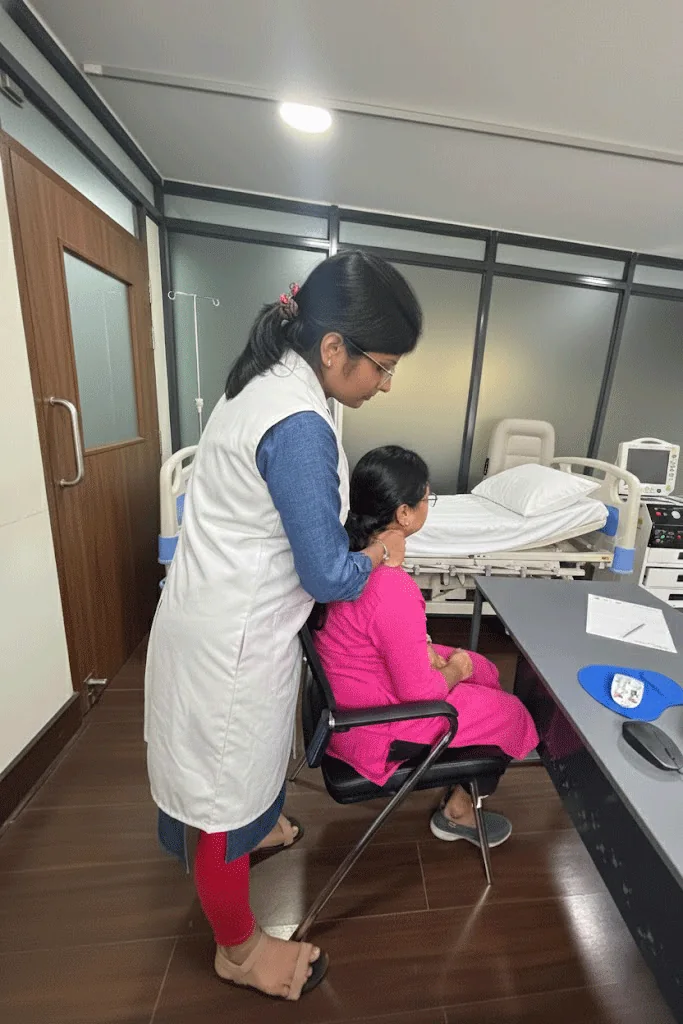
Voice correction is essential for individuals whose professions demand consistent vocal performance, such as teachers, professors, radio jockeys, singers, actors, advocates, and politicians. Therapy can modify pitch, tone, and vocal strength while preventing vocal strain or damage. It also benefits those with voice disorders caused by misuse, medical conditions, or aging. Through vocal hygiene education, breathing techniques, and resonance training, voice therapy ensures sustained, clear, and persuasive vocal quality.
Frequently Asked Questions Regarding Hearing Test 
Hearing Test
Quick Answer : A hearing test is a painless procedure that checks how well you hear different sounds, speech, and frequencies.
A hearing test usually begins with an ear examination followed by different assessments such as Pure Tone Audiometry (PTA), Speech Audiometry, Tympanometry, or other diagnostic evaluations depending on your symptoms. The process helps audiologists determine the type and severity of hearing loss so that suitable treatment or hearing solutions can be recommended.
At Bengal Rehabilitation Group, hearing tests are conducted by experienced audiologists for children, adults, and senior citizens across Kolkata.
Book a professional hearing assessment at your nearest Bengal Rehabilitation Group branch in Kolkata. Click Here
Quick Answer : A hearing test usually takes 20 to 45 minutes, depending on the type of evaluation required.
Basic hearing screenings may take less time, while detailed audiological evaluations for hearing loss, tinnitus, or speech-related concerns can take longer. Children and elderly patients may require additional observation for accurate results. Early hearing assessment helps identify problems before they begin affecting communication and daily life.
Bengal Rehabilitation Group provides comprehensive hearing tests across Kolkata with expert guidance for every age group.
Schedule your hearing test today for quick and accurate diagnosis. Click Here
Quick Answer : No, hearing tests are completely painless and non-invasive.
During a hearing test, you may be asked to listen to sounds through headphones or respond to speech tones in a quiet environment. Some tests may involve gentle pressure changes in the ear, but they are safe and comfortable for both children and adults. There are no injections, surgery, or discomfort involved in standard audiology testing.
At Bengal Rehabilitation Group, our audiologists ensure a comfortable and stress-free hearing assessment experience for every patient in Kolkata.
Visit your nearest Bengal Rehabilitation Group clinic for a safe and painless hearing evaluation. Click Here
Quick Answer : The cost of a hearing test in Kolkata depends on the type of audiology evaluation required.
Basic hearing screenings are generally more affordable, while advanced diagnostic tests may vary based on individual hearing concerns. At Bengal Rehabilitation Group, patients also benefit from a free hearing test with hearing aid purchase, making hearing care more accessible and affordable.
Our audiologists help patients choose the right evaluation based on symptoms, age, and medical history.
Contact Bengal Rehabilitation Group to know the latest hearing test charges and offers in Kolkata. Click Here
Quick Answer : The best hearing test for adults depends on the symptoms and severity of hearing concerns.
For most adults, Pure Tone Audiometry (PTA) and Speech Audiometry are commonly recommended to evaluate hearing ability and speech understanding. In some cases, additional tests may be required for tinnitus, ear pressure problems, or age-related hearing loss. A professional audiologist can recommend the most suitable assessment after understanding your symptoms.
Bengal Rehabilitation Group offers advanced adult hearing evaluations across Kolkata for accurate diagnosis and personalized care.
Book an adult hearing assessment with experienced audiologists today. Click Here
People Also Ask
Quick Answer : Adults should ideally get their hearing tested every 1–3 years, while senior citizens may require more frequent checkups.
People over 50, those exposed to loud noise, individuals with diabetes, or anyone noticing hearing difficulty should undergo regular hearing assessments. Early detection can prevent communication problems and improve overall quality of life. Children with speech delays or learning concerns may also benefit from early hearing screening.
Bengal Rehabilitation Group provides preventive hearing evaluations for all age groups in Kolkata.
Don’t wait for symptoms to worsen—schedule a routine hearing checkup today. Click Here
Quick Answer : Yes, certain hearing tests can help detect hearing nerve-related problems.
Advanced audiology evaluations can identify whether hearing loss is caused by the outer ear, middle ear, inner ear, or auditory nerve pathway. Tests such as OAE (Otoacoustic Emissions) or BERA (Brainstem Evoked Response Audiometry) may be recommended to evaluate nerve-related hearing issues, especially in children and adults with unexplained hearing difficulties.
At Bengal Rehabilitation Group, advanced diagnostic hearing tests are available for accurate hearing problem detection in Kolkata.
Consult our audiologists if you experience sudden or unexplained hearing loss. Click Here
Quick Answer : Yes, hearing tests are important for children, especially if speech delay or listening problems are noticed.
Children with delayed speech, poor academic performance, lack of response to sound, or repeated ear infections should undergo hearing evaluation as early as possible. Undetected hearing problems can affect speech, communication, and learning development. Early diagnosis allows timely intervention and better developmental outcomes.
Bengal Rehabilitation Group provides specialized pediatric hearing assessments for infants, toddlers, and children across Kolkata.
Get your child’s hearing checked early for healthy speech and learning development. Click Here
Quick Answer : Your first hearing test usually includes a consultation, ear examination, and listening assessments.
The audiologist will first discuss your symptoms, medical history, and hearing concerns. You may then undergo tests involving headphones, speech recognition, or sound response evaluation. Based on the results, expert recommendations for hearing care, treatment, or hearing aids may be provided if necessary.
At Bengal Rehabilitation Group, first-time patients receive personalized guidance to make the hearing evaluation process easy and stress-free.
Book your first hearing consultation with confidence at Bengal Rehabilitation Group. Click Here
Quick Answer : You can get a professional hearing test at Bengal Rehabilitation Group clinics across Kolkata.
Bengal Rehabilitation Group offers expert audiology services, hearing assessments, hearing aid consultation, speech therapy, and home visit support across multiple locations in Kolkata. Whether you are experiencing hearing loss, speech concerns, or age-related hearing difficulties, experienced audiologists can help you find the right solution.
Patients also benefit from free hearing tests with hearing aid purchase, EMI facilities, and WBHS/CGHS support where applicable
Find your nearest Bengal Rehabilitation Group branch and book an appointment today. Click Here