My Child Is 3 Years Old but Still Doesn't Talk. Should I Worry?
2 Years Ago
Bengal Rehabilitation Group
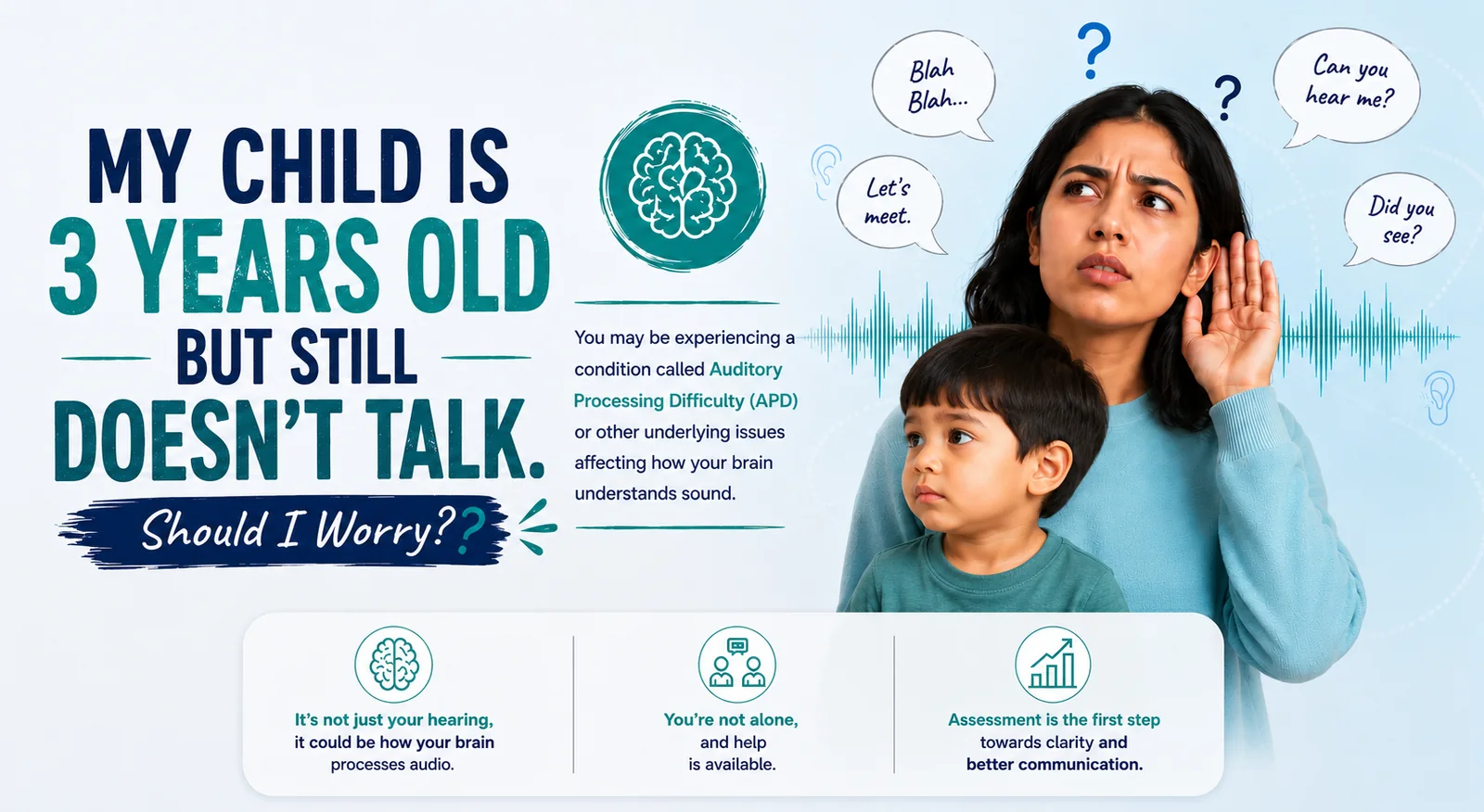
If your 3-year-old is not talking or speaks only a few words, it's important not to ignore it. While some children develop language skills later than others, delayed speech can also be a sign of hearing loss, speech and language disorders, autism spectrum disorder, or other developmental conditions. An early evaluation by a speech-language pathologist and, when needed, an audiologist can help identify the cause and support your child's communication development.
"Everyone Says, 'Don't Worry, He'll Start Talking'... But Should You Wait?"
As a parent, you celebrate every milestone—your child's first smile, first step, and first word.
But what happens when your child turns three and still isn't talking like other children of the same age?
You may hear well-meaning advice from friends and relatives:
- "Boys talk late."
- "His father started talking late too."
- "He'll talk when he's ready."
- "Don't compare him with other children."
While these comments may be comforting, they shouldn't replace a professional evaluation.
Some children are simply late talkers. Others may have an underlying condition that benefits from early intervention. The earlier a child receives the right support, the better the chances of improving communication, learning, and social development.
If you're asking yourself, "Should I be worried?" the most helpful step isn't to panic—it's to understand what your child needs.
What Should a 3-Year-Old Be Able to Do?
Every child develops at their own pace, but by around 3 years of age, many children can:
- Speak in short sentences of 3–5 words.
- Ask simple questions.
- Tell you what they want.
- Follow two- or three-step instructions.
- Name familiar objects and people.
- Be understood by family members most of the time.
- Enjoy simple conversations.
If your child is only saying a few words, not combining words into phrases, or not speaking at all, it's a good idea to seek an assessment rather than waiting to see if the problem resolves on its own.
Why Might a 3-Year-Old Not Be Talking?
Speech delay isn't a diagnosis—it's a sign that something may be affecting communication development. There can be many different reasons.
Signs That Your Child May Need a Speech Evaluation
Consider seeking professional advice if your child:
- Says very few or no words by age three.
- Does not combine words into short sentences.
- Has difficulty understanding simple instructions.
- Rarely points, gestures, or communicates needs.
- Becomes frustrated because others cannot understand them.
- Shows limited interest in communicating with others.
- Has unclear speech that family members struggle to understand.
- Has had repeated ear infections.
- Does not respond consistently when called.
These signs don't necessarily indicate a serious condition, but they do warrant an evaluation.
Who Is at Risk?
Speech and language delays can occur in any child, but certain factors increase the likelihood.
These include:
- Family history of speech or language disorders.
- Premature birth.
- Low birth weight.
- Frequent ear infections.
- Hearing loss.
- Autism spectrum disorder.
- Neurological conditions.
- Developmental disorders.
- Limited opportunities for verbal interaction.
Having one or more risk factors does not mean a child will definitely experience speech delay.
When Should You See a Speech Therapist?
Many parents ask,
"Should we wait another six months?"
In most cases, if your child is already three years old and has very limited speech, waiting is not recommended.
Early intervention is associated with better outcomes because the brain develops rapidly during the first few years of life.
You should consider an assessment if:
- Your child is not talking by age three.
- Speech is difficult to understand.
- Communication is affecting learning or social interaction.
- You have concerns, even if others say "wait."
Trust your instincts as a parent. If you're concerned, it's appropriate to seek professional advice.
How Is It Diagnosed?
A comprehensive assessment helps identify the reason for the speech delay and guides the next steps.
Depending on your child's needs, the evaluation may include:
Related Articles
You may also find these articles helpful:
Treatment Options
Treatment depends on the underlying cause and each child's individual strengths and needs.
How Bengal Rehabilitation Group Can Help
At Bengal Rehabilitation Group (BRG), we understand that every child develops differently, and every family deserves clear answers and compassionate support.
Our experienced speech-language pathologists and audiologists work together to evaluate both communication and hearing, ensuring that no underlying issue is overlooked.
Our pediatric services include:
- Comprehensive Speech and Language Assessment
- Hearing Assessment for Children
- Speech Audiometry
- OAE Testing
- BERA Testing (when indicated)
- Individual Speech Therapy
- Parent Counselling and Home Programmes
- Language Stimulation Therapy
- Autism and Developmental Communication Support
- Hearing Aid Services for Children
- Ongoing Progress Monitoring
With hospital-based clinics across Kolkata and surrounding areas, BRG provides evidence-based care tailored to each child's unique needs.
People Also Ask
The therapist observes your child's play, communication, understanding, speech sounds, and interaction skills to identify strengths and areas needing support.
The frequency depends on your child's individual needs and therapy goals. Your speech-language pathologist will recommend an appropriate plan.
Some late talkers do catch up naturally, but it is not possible to know which children will without a professional assessment. Early evaluation helps avoid unnecessary delays in intervention.
Trust your concerns. Schedule a speech and hearing assessment rather than waiting for the problem to resolve on its own.
- Hearing Care Click Here
- Speech, Language & Voice Care Click Here
- Speech Correction Click Here
- Voice Correction Click Here
- Hearing Upp (App) Click Here


If your child is three years old and not talking as expected
remember that seeking an assessment is not about labelling your child
it's about understanding their needs and giving them the best opportunity to communicate, learn, and thrive.
Book an AppointmentRelated Articles
Jul 4, 2026
Bengal Rehabilitation Group
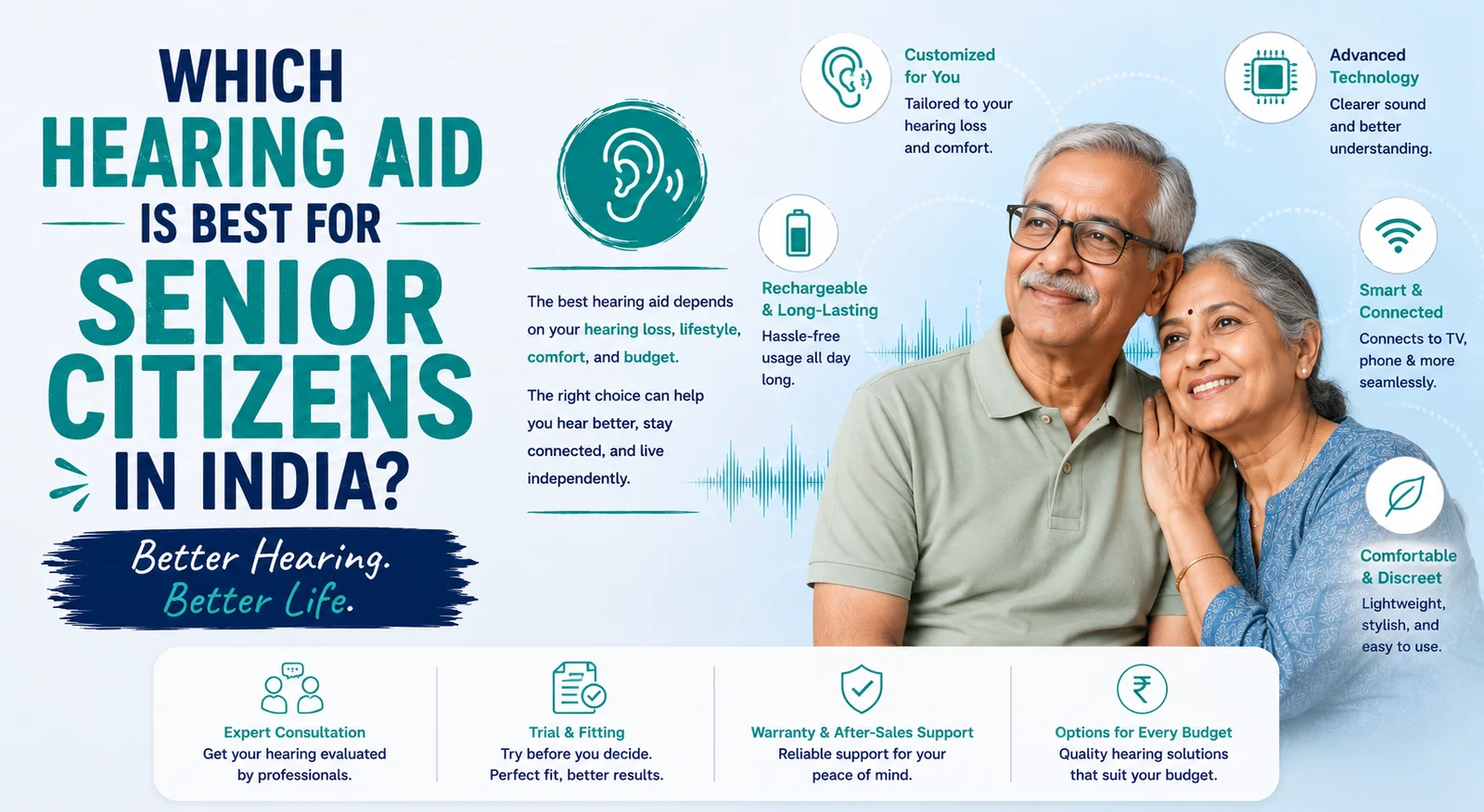
Which Hearing Aid Is Best for Senior Citizens in India?
The right hearing aid depends on hearing loss type, lifestyle & dexterity — not just the brand. Here's how to choose wisely.
Jul 6, 2026
Bengal Rehabilitation Group
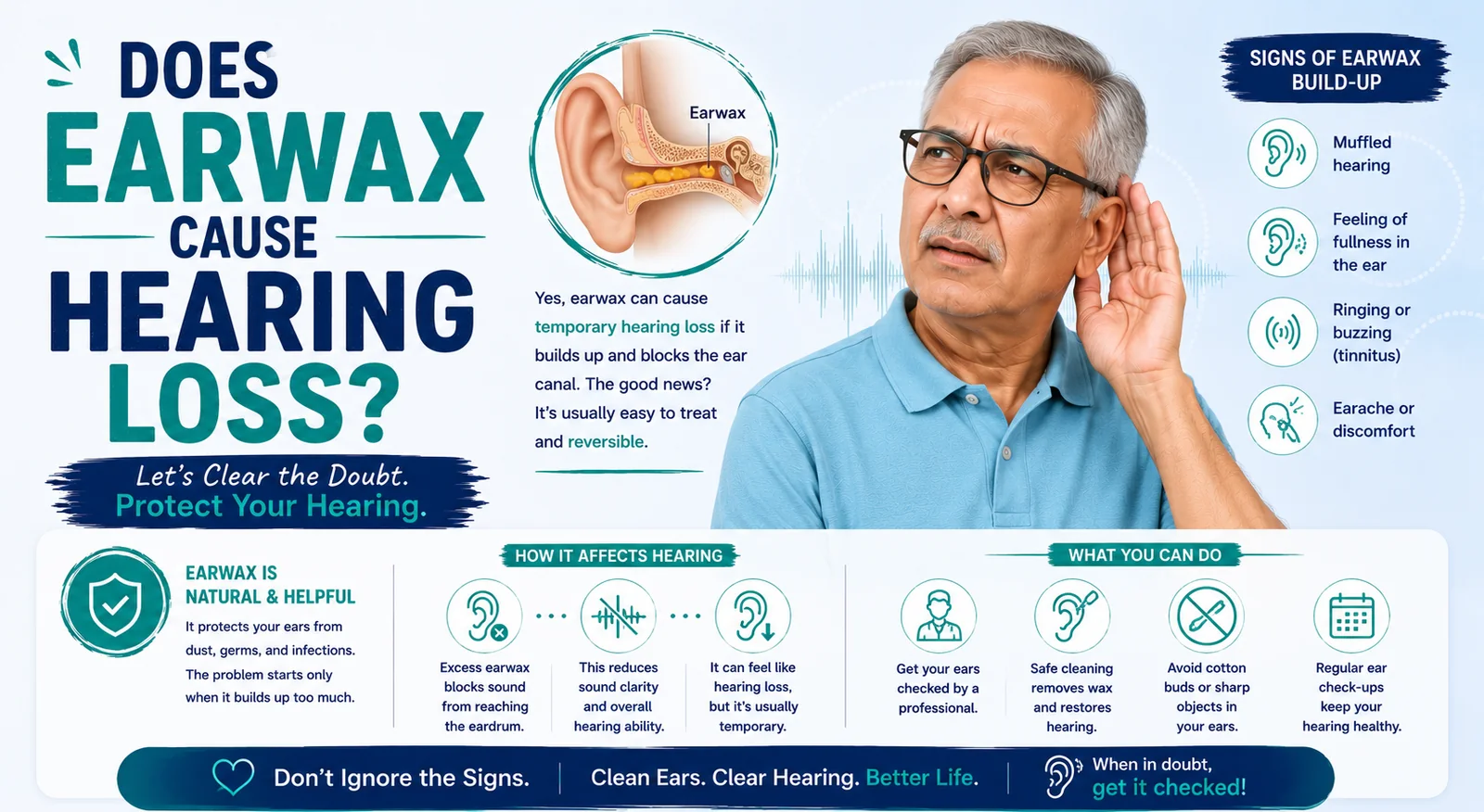
Does Earwax Cause Hearing Loss?
Yes, excessive earwax can temporarily block hearing. Learn why it happens and when to see an audiologist.
Jul 4, 2026
Bengal Rehabilitation Group
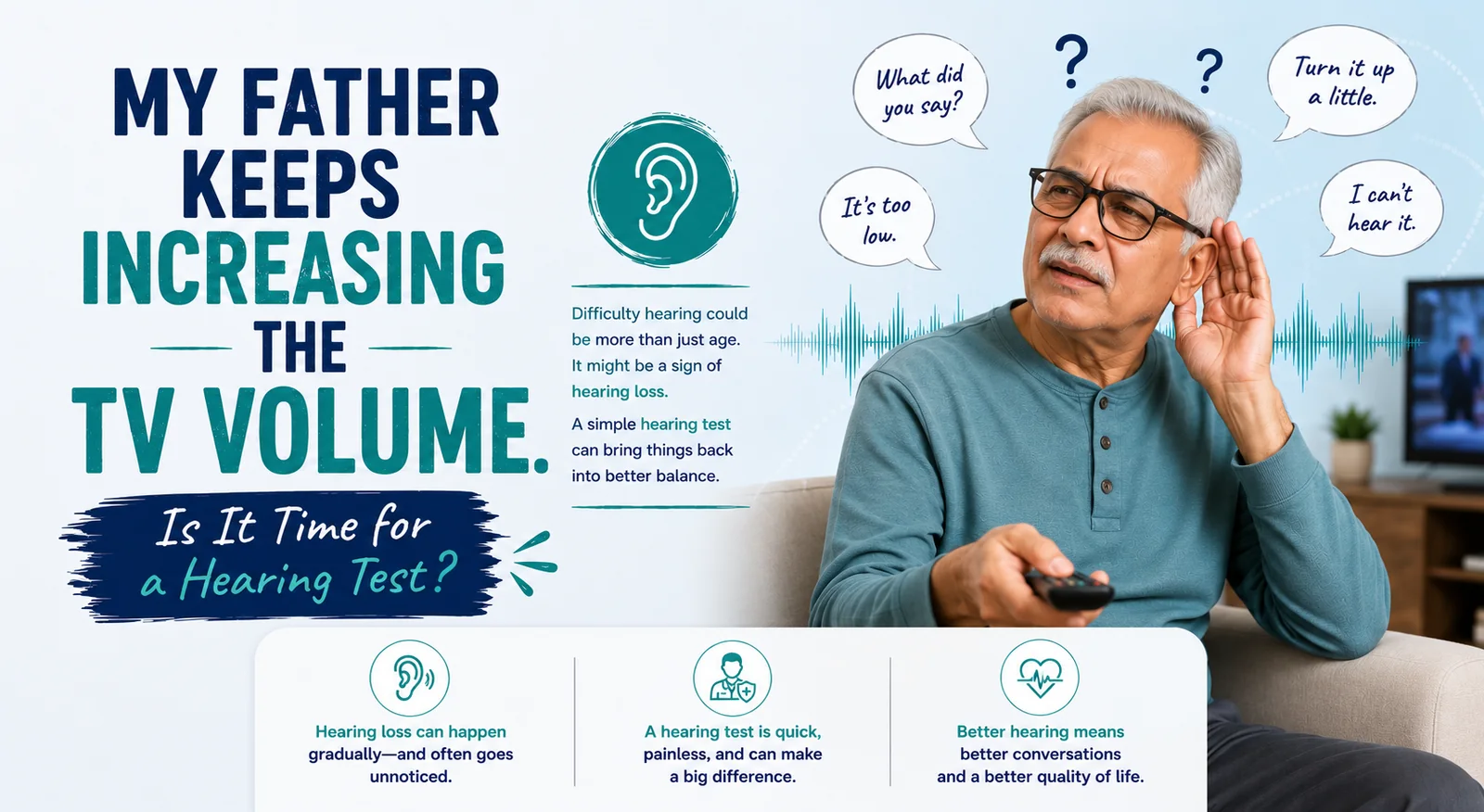
My Father Keeps Increasing the TV Volume. Is It Time for a Hearing Test?
Turning up the TV repeatedly can be an early sign of age-related hearing loss. Here's what to watch for.
Jul 3, 2026
Bengal Rehabilitation Group
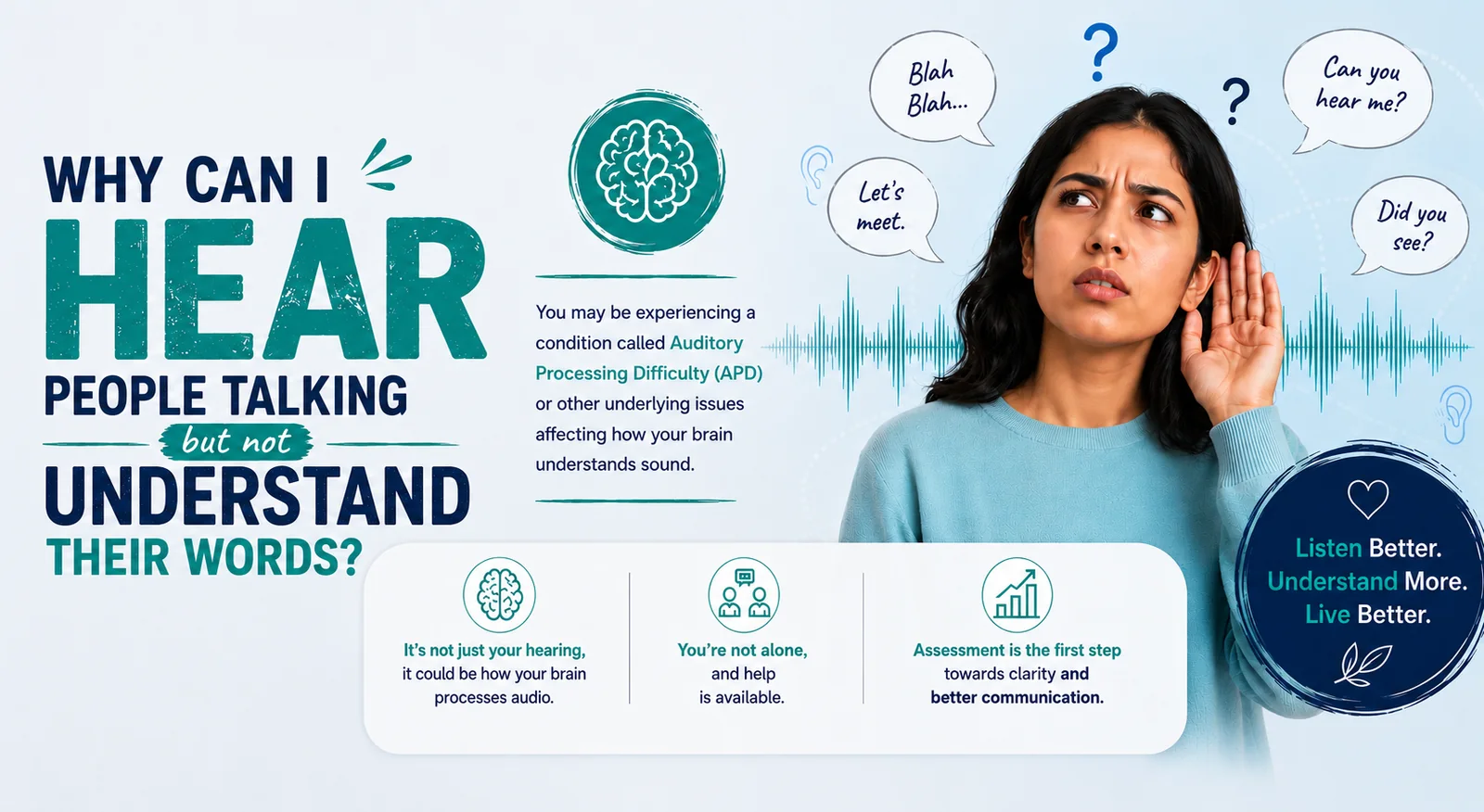
Why Can I Hear People Talking but Not Understand Their Words?
This is often hidden hearing loss or an auditory processing issue — not just loudness. Here's what could be happening.