My Father Keeps Increasing the TV Volume. Is It Time for a Hearing Test?
2 Years Ago
Bengal Rehabilitation Group
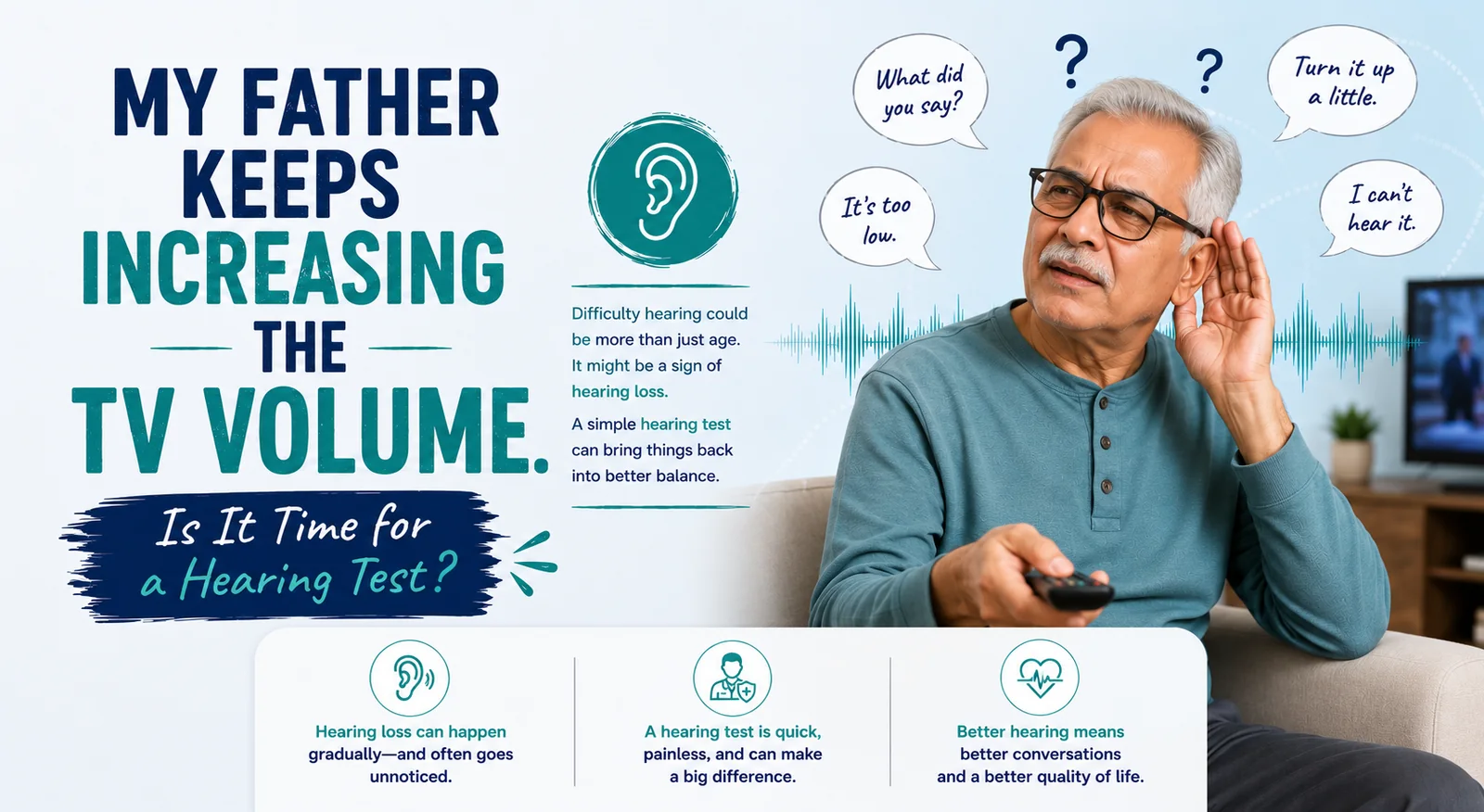
If your father or an elderly family member constantly increases the TV volume, asks people to repeat themselves, or struggles to follow conversations, it could be an early sign of age-related hearing loss. A comprehensive hearing test performed by an audiologist can identify the cause and help prevent further communication difficulties.
"Dad Says the TV Is Fine... But Everyone Else Thinks It's Too Loud."
It's a scene that plays out in countless homes.
You're sitting with your father watching the evening news. Gradually, the TV volume goes from 18... to 25... then 35.
Everyone else in the room finds it uncomfortably loud.
When you ask him to lower the volume, he replies,
"I can hear it better this way."
Or perhaps he insists,
"The actors don't speak clearly anymore."
If this sounds familiar, don't dismiss it as a normal part of aging.
Frequently increasing the television volume is one of the earliest and most common signs of hearing loss in older adults. Many seniors don't realize their hearing has changed because the decline happens slowly over several years.
Recognizing this early can make a significant difference to their quality of life.
Why Does This Happen?
Hearing is about much more than simply detecting sound. It also involves understanding speech clearly.
As we age, the delicate sensory cells inside the inner ear gradually lose their ability to detect certain sound frequencies—particularly high-frequency sounds that make speech clear.
This means your father may still hear the television, but he struggles to understand dialogue.
To compensate, he naturally increases the volume.
Unfortunately, making everything louder doesn't always make speech clearer.
Symptoms to Watch For
Increasing the TV volume is often only one sign.
Other symptoms may include:
- Frequently asking "What?" or "Pardon?"
- Difficulty following conversations in family gatherings
- Complaining that people mumble
- Turning one ear toward the speaker
- Missing phone calls or doorbells
- Speaking louder than usual
- Avoiding social events
- Feeling frustrated during conversations
- Ringing in the ears (tinnitus)
- Difficulty understanding speech over the phone
If you notice several of these signs together, it's time to schedule a hearing evaluation.
Who Is at Risk?
Age-related hearing loss can affect anyone, but the risk increases with age.
People at higher risk include:
- Adults over 60 years of age
- Individuals with diabetes or hypertension
- People exposed to loud workplaces throughout their careers
- Long-term smokers
- Those with a family history of hearing loss
- Individuals with repeated ear infections
- People taking certain medications that can affect hearing
Even healthy older adults can experience gradual hearing changes as part of the aging process.
When Should You See an Audiologist?
Don't wait until communication becomes difficult.
Book a hearing assessment if your father:
- Frequently increases the TV volume
- Asks people to repeat themselves
- Struggles to hear in noisy environments
- Complains that everyone mumbles
- Finds telephone conversations difficult
- Has ringing in the ears
- Has not had a hearing test in the last two years
Early diagnosis often leads to better treatment outcomes and can help maintain independence and confidence.
How Is It Diagnosed?
A complete hearing evaluation helps determine the type and degree of hearing loss.
Depending on the symptoms, your audiologist may recommend:
Related Articles
You may also find these articles helpful:
Treatment Options
Treatment depends on the underlying cause.
How Bengal Rehabilitation Group Can Help
At Bengal Rehabilitation Group (BRG), we understand that hearing loss affects not only the individual but the entire family.
Our experienced audiologists provide comprehensive hearing assessments using advanced diagnostic technology to identify the exact cause of hearing difficulties
Our services include:
- Comprehensive Hearing Evaluation
- Pure Tone Audiometry (PTA)
- Speech Audiometry
- Tympanometry
- OAE Testing
- Hearing Aid Consultation
- Digital Hearing Aid Trial and Fitting
- Hearing Aid Programming and Fine-Tuning
- Hearing Aid Servicing
- Ongoing Hearing Rehabilitation
With hospital-based clinics across Kolkata and surrounding areas, BRG is committed to helping older adults hear conversations more clearly, enjoy family moments, and maintain an active, independent lifestyle.
People Also Ask
Not always, but it is one of the most common early signs of age-related hearing loss. A hearing test can determine the exact cause.
Adults over 60 should consider regular hearing assessments, even if they don't notice obvious hearing problems.
Age-related hearing loss often affects high-frequency speech sounds, making words seem unclear rather than simply quieter.
Yes. Properly fitted hearing aids can improve speech understanding, allowing many people to watch television at a comfortable volume.
Yes. Impacted earwax can temporarily reduce hearing and should be assessed by a qualified professional.
Research suggests that untreated hearing loss is associated with an increased risk of cognitive decline, social isolation, and reduced quality of life. Early intervention may help reduce these impacts.
Most comprehensive hearing assessments take approximately 30–60 minutes, depending on the tests required.
Not necessarily. Treatment depends on the cause and severity of the hearing problem. Some conditions can be managed without hearing aids.
No. Today's hearing aids are compact, comfortable, rechargeable, and designed to be user-friendly, even for older adults.
Most older adults should have their hearing evaluated every one to two years, or sooner if they notice changes.
- Hearing Care Click Here
- Speech, Language & Voice Care Click Here
- Speech Correction Click Here
- Voice Correction Click Here
- Hearing Upp (App) Click Here


If your father keeps increasing
the TV volume, struggles to follow conversations, or frequently asks others
Early hearing assessment can identify the cause and open the door to effective treatment.
Book an AppointmentRelated Articles
Jul 4, 2026
Bengal Rehabilitation Group
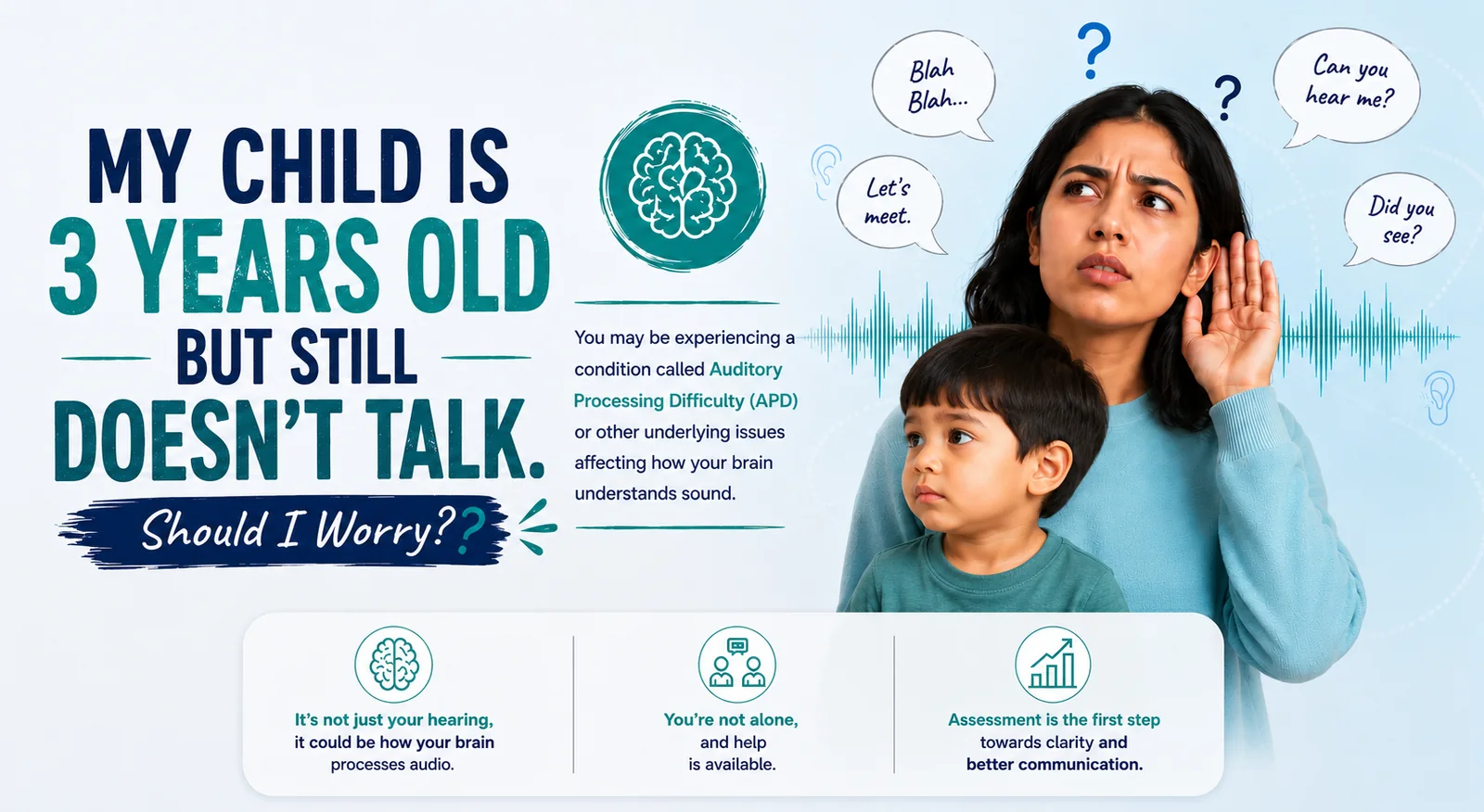
My Child Is 3 Years Old but Still Doesn't Talk. Should I Worry?
Delayed speech can be a sign of hearing loss or a developmental condition. Here's when to get an evaluation.
Jul 4, 2026
Bengal Rehabilitation Group
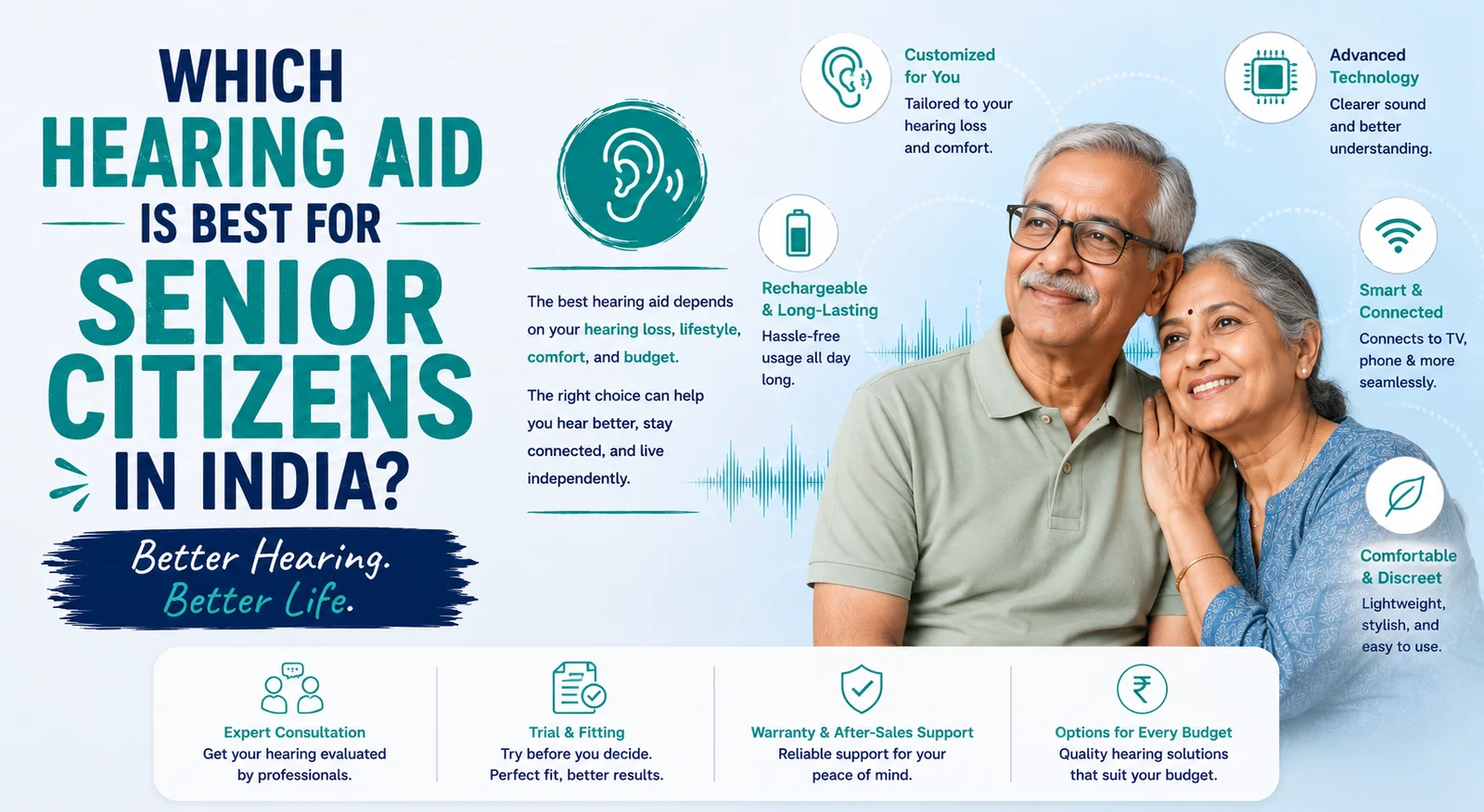
Which Hearing Aid Is Best for Senior Citizens in India?
The right hearing aid depends on hearing loss type, lifestyle & dexterity — not just the brand. Here's how to choose wisely.
Jul 6, 2026
Bengal Rehabilitation Group
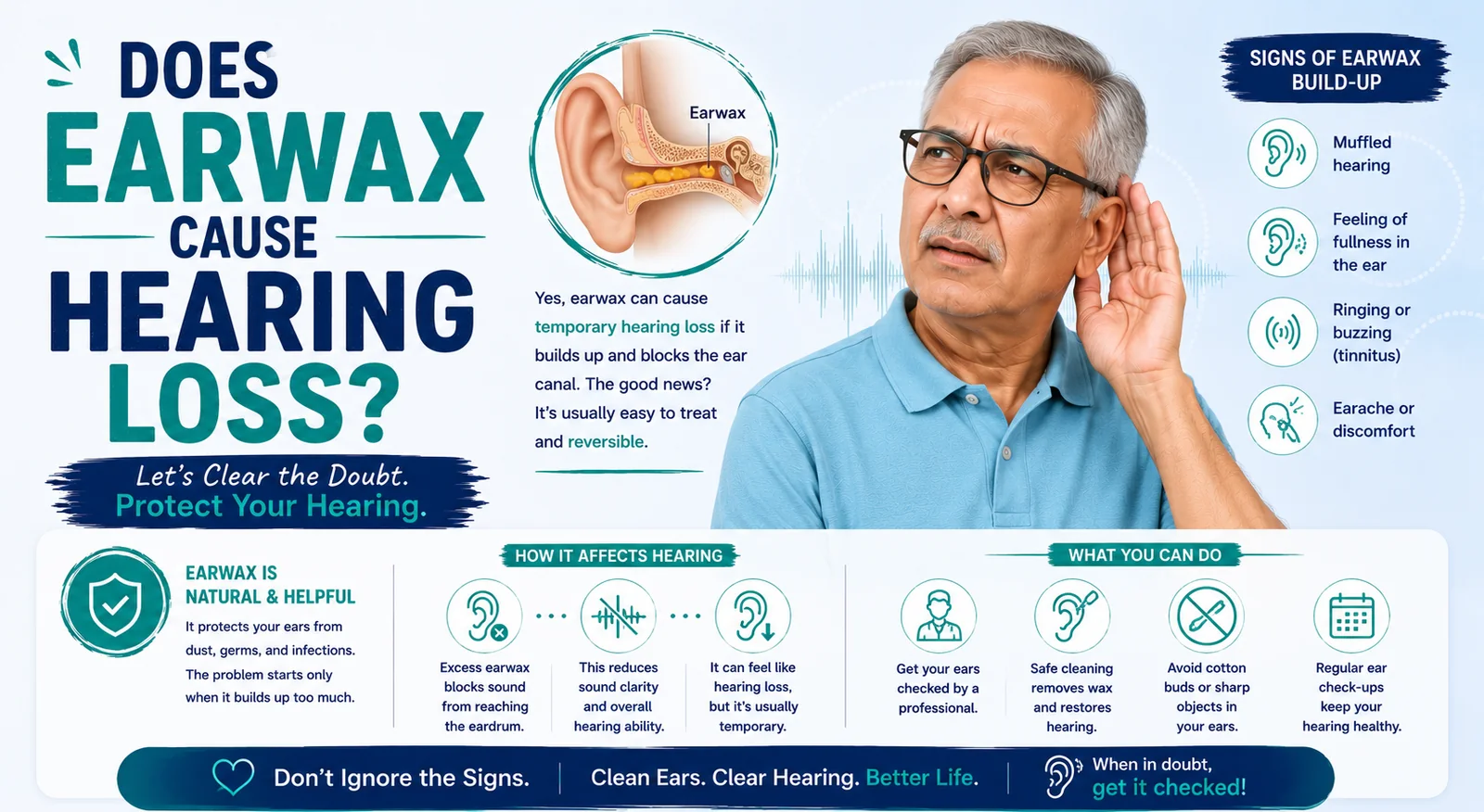
Does Earwax Cause Hearing Loss?
Yes, excessive earwax can temporarily block hearing. Learn why it happens and when to see an audiologist.
Jul 3, 2026
Bengal Rehabilitation Group
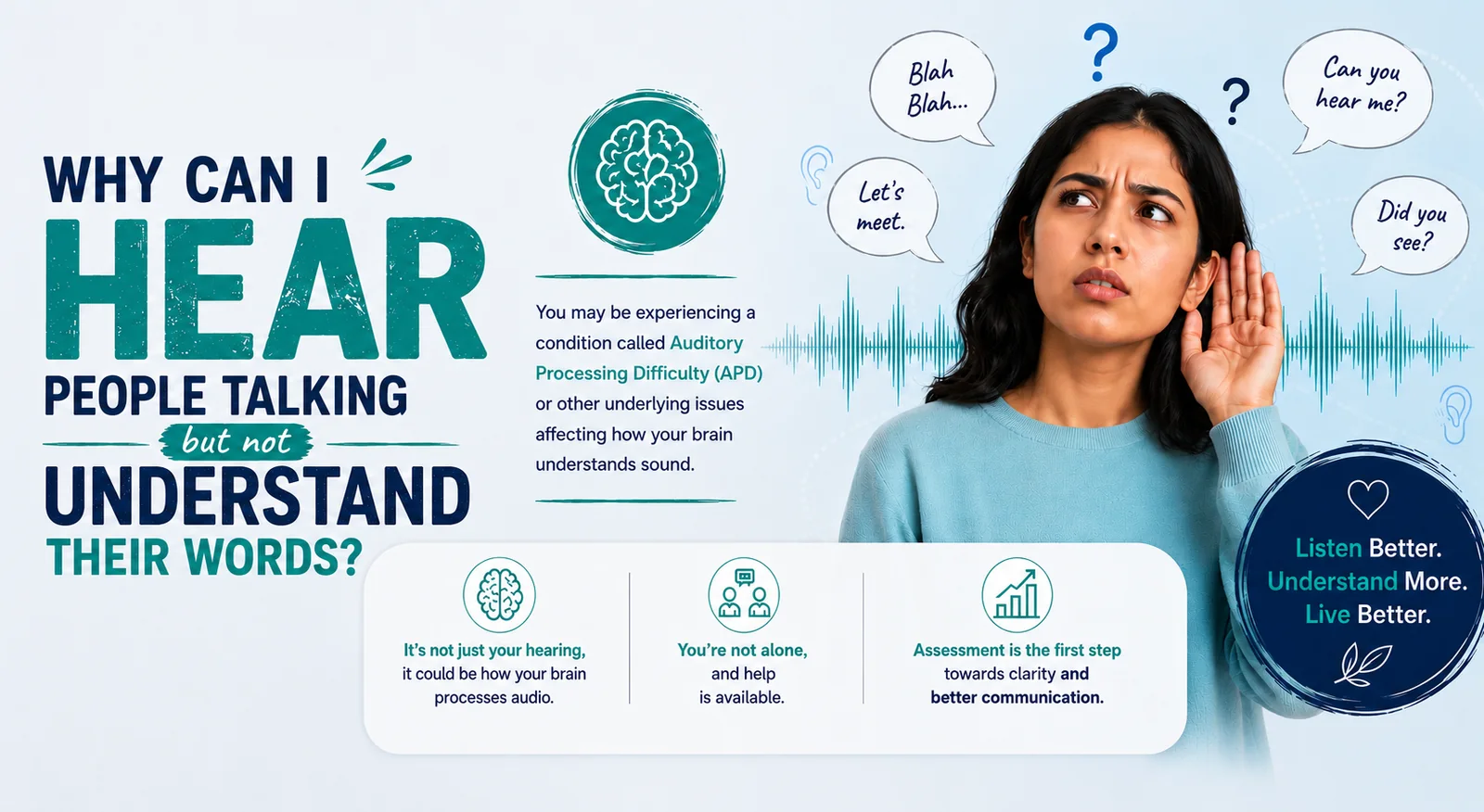
Why Can I Hear People Talking but Not Understand Their Words?
This is often hidden hearing loss or an auditory processing issue — not just loudness. Here's what could be happening.