Does Earwax Cause Hearing Loss?
2 Years Ago
Bengal Rehabilitation Group
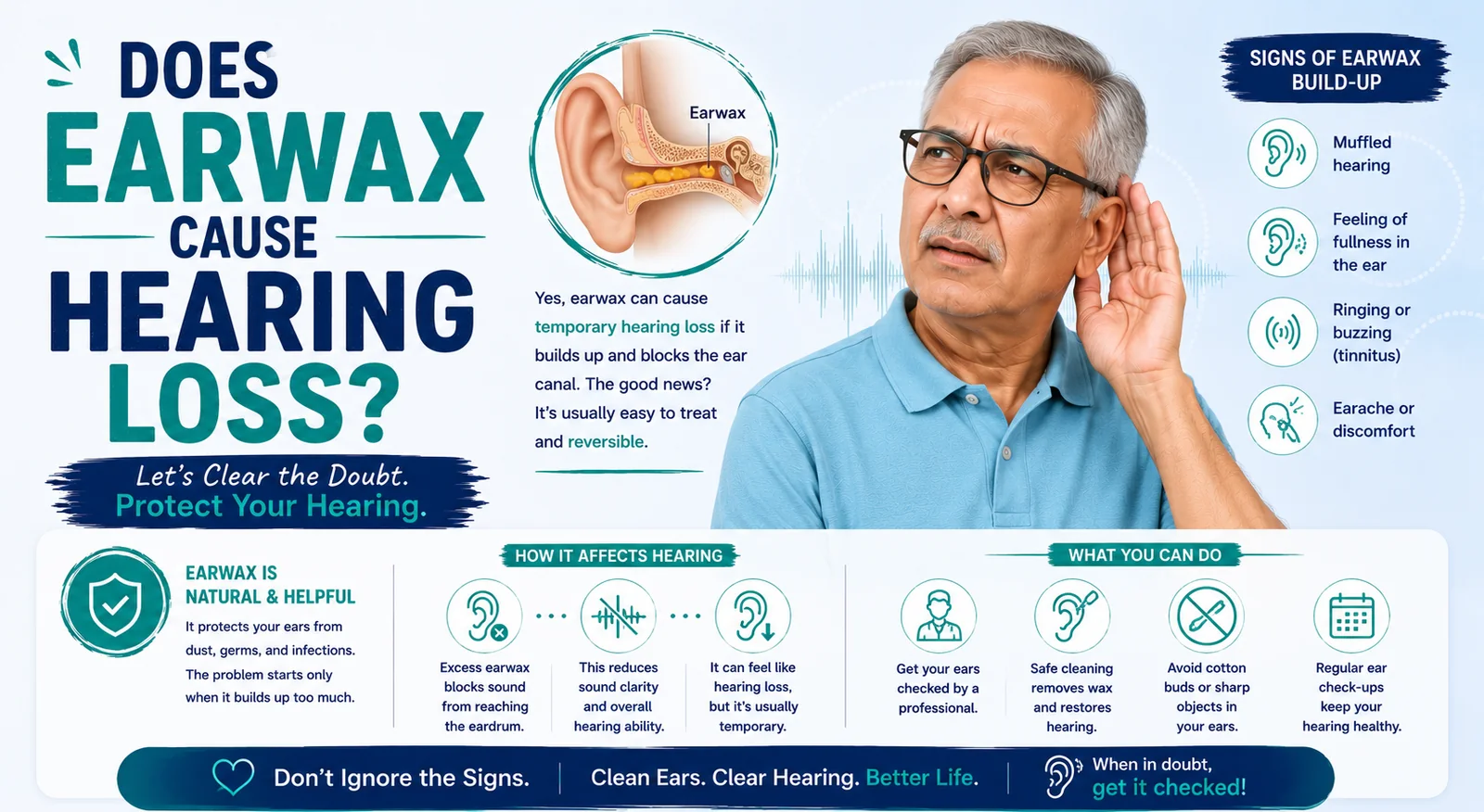
Yes, excessive earwax can temporarily reduce hearing by blocking sound from reaching the eardrum. This type of hearing loss is usually conductive hearing loss, meaning sound cannot travel properly through the ear canal. In most cases, hearing returns to normal once the earwax is safely removed by a qualified healthcare professional. However, not all hearing loss is caused by earwax, so a proper hearing evaluation is important if symptoms persist.
"I Suddenly Can't Hear Properly. Could It Just Be Earwax?"
It often happens unexpectedly.
You wake up one morning and one ear feels blocked.
Voices sound muffled.
The television seems quieter.
You keep asking people to repeat themselves.
Naturally, one of the first questions that comes to mind is:
"Is it just earwax?"
The answer is—it could be.
Earwax is completely normal and actually protects your ears. But when too much wax builds up or becomes impacted, it can block the ear canal and temporarily reduce hearing.
The good news?
Unlike many other causes of hearing loss, hearing affected by earwax can often be restored quickly with the right treatment.
The key is knowing when it's simply earwax—and when it could be something more serious.
What Is Earwax?
Earwax, medically known as cerumen, is a natural substance produced by glands inside the ear canal.
Many people think earwax is dirty.
Actually, it's one of your ear's natural defense systems.
Earwax helps:
- Trap dust and dirt
- Prevent bacteria and fungi from entering deeper into the ear
- Protect the skin inside the ear canal
- Keep the ear canal moisturized
- Remove dead skin cells naturally
In most people, earwax slowly moves out of the ear on its own.
Problems occur only when this natural cleaning process doesn't work properly.
How Does Earwax Cause Hearing Loss?
Think of your ear canal like a hallway.
Sound travels through this hallway before reaching the eardrum.
If a large amount of wax blocks the pathway, sound cannot travel efficiently.
As a result:
- Sounds become quieter.
- Speech becomes muffled.
- Conversations become difficult.
- You may feel as though your ear is plugged.
This type of hearing loss is called conductive hearing loss, and unlike permanent inner ear damage, it is often reversible.
Why Does Earwax Build Up?
Several factors can cause earwax to become impacted.
Symptoms
Earwax buildup may cause:
- Sudden hearing loss in one or both ears
- Muffled hearing
- A blocked or full feeling in the ear
- Ringing in the ears (tinnitus)
- Ear discomfort
- Itching inside the ear
- Difficulty understanding conversations
- Hearing aid feedback or whistling
- Dizziness in some cases
Symptoms often develop gradually but can also appear suddenly after swimming or showering, when water causes the wax to expand.
Who Is at Risk?
Anyone can develop impacted earwax, but it is more common in:
- Older adults
- Hearing aid users
- Earbud users
- People who frequently use cotton buds
- Individuals with narrow ear canals
- Children
- People with excessive earwax production
- Individuals with developmental disabilities who may have difficulty reporting symptoms
When Should You See an Audiologist?
Seek professional advice if:
- Hearing suddenly becomes muffled.
- One ear feels blocked.
- You experience hearing loss along with pain or discharge.
- Earwax keeps recurring.
- Your hearing aid begins to whistle unexpectedly.
- Home remedies haven't helped.
- You are unsure whether the problem is earwax or hearing loss.
Never assume all hearing loss is caused by earwax.
If symptoms continue after wax removal, further hearing assessment may be needed.
How Is It Diagnosed?
A healthcare professional will first examine your ear canal.
Depending on your symptoms, this may be followed by additional hearing tests.
Related Articles
You may also find these articles helpful:
Treatment Options
Treatment depends on the amount of earwax and your symptoms.
What You Should Never Do
Many home remedies can actually make the problem worse.
Avoid:
- ❌ Cotton buds
- ❌ Hairpins
- ❌ Matchsticks
- ❌ Ear candles
- ❌ Sharp objects
- ❌ Pouring oils or other substances into the ear without professional advice
These methods can push wax deeper, injure the ear canal, or damage the eardrum.
Can Earwax Cause Permanent Hearing Loss?
This is one of the most common questions patients ask.
Fortunately, earwax itself does not usually cause permanent hearing loss.
Once the blockage is safely removed, hearing often returns to normal.
However...
If hearing does not improve after earwax removal, another hearing condition may be present.
That's why persistent hearing loss should never be ignored.
How Bengal Rehabilitation Group Can Help
At Bengal Rehabilitation Group (BRG), we know that hearing loss isn't always caused by damage to the inner ear.
Sometimes, something as simple as impacted earwax can affect your ability to hear clearly.
Our experienced audiologists provide comprehensive hearing assessments to determine whether earwax is the cause or whether further evaluation is needed.
Our hearing care services include:
- Comprehensive Hearing Assessment
- Pure Tone Audiometry (PTA)
- Speech Audiometry
- Tympanometry
- OAE Testing
- Hearing Aid Assessment
- Hearing Aid Programming
- Hearing Rehabilitation
- Referral for Earwax Management (when appropriate)
- Ongoing Hearing Care
With hospital-based clinics across Kolkata and surrounding areas, BRG helps patients receive the right diagnosis before recommending the right treatment.
People Also Ask
Yes. Impacted earwax can block sound from reaching the eardrum, causing temporary conductive hearing loss.
No. In most cases, hearing returns once the earwax is safely removed.
It's best to avoid inserting objects into the ear. If you suspect impacted earwax, seek professional evaluation.
Usually not. Cotton buds often push wax deeper into the ear canal and increase the risk of blockage.
Yes. Hearing aids and earbuds may interfere with the ear's natural cleaning process, making wax buildup more likely in some people.
Only a professional examination and hearing assessment can determine the cause. If hearing doesn't improve after wax removal, additional tests may be needed.
Occasionally, severe earwax buildup may contribute to a feeling of imbalance, although dizziness can also have many other causes.
Most people don't need routine earwax removal. It should only be performed when wax causes symptoms or prevents proper examination of the ear.
Water can cause impacted earwax to swell, temporarily blocking the ear canal and making hearing seem worse.
If your hearing remains reduced after earwax removal, or if you're unsure what's causing the problem, schedule a comprehensive hearing evaluation.
- Hearing Care Click Here
- Speech, Language & Voice Care Click Here
- Speech Correction Click Here
- Voice Correction Click Here
- Hearing Upp (App) Click Here




If You're Experiencing Blocked Ears
muffled hearing, or suspect earwax buildup
don't guess the cause or try risky home remedies.
Book an AppointmentRelated Articles
Jul 4, 2026
Bengal Rehabilitation Group
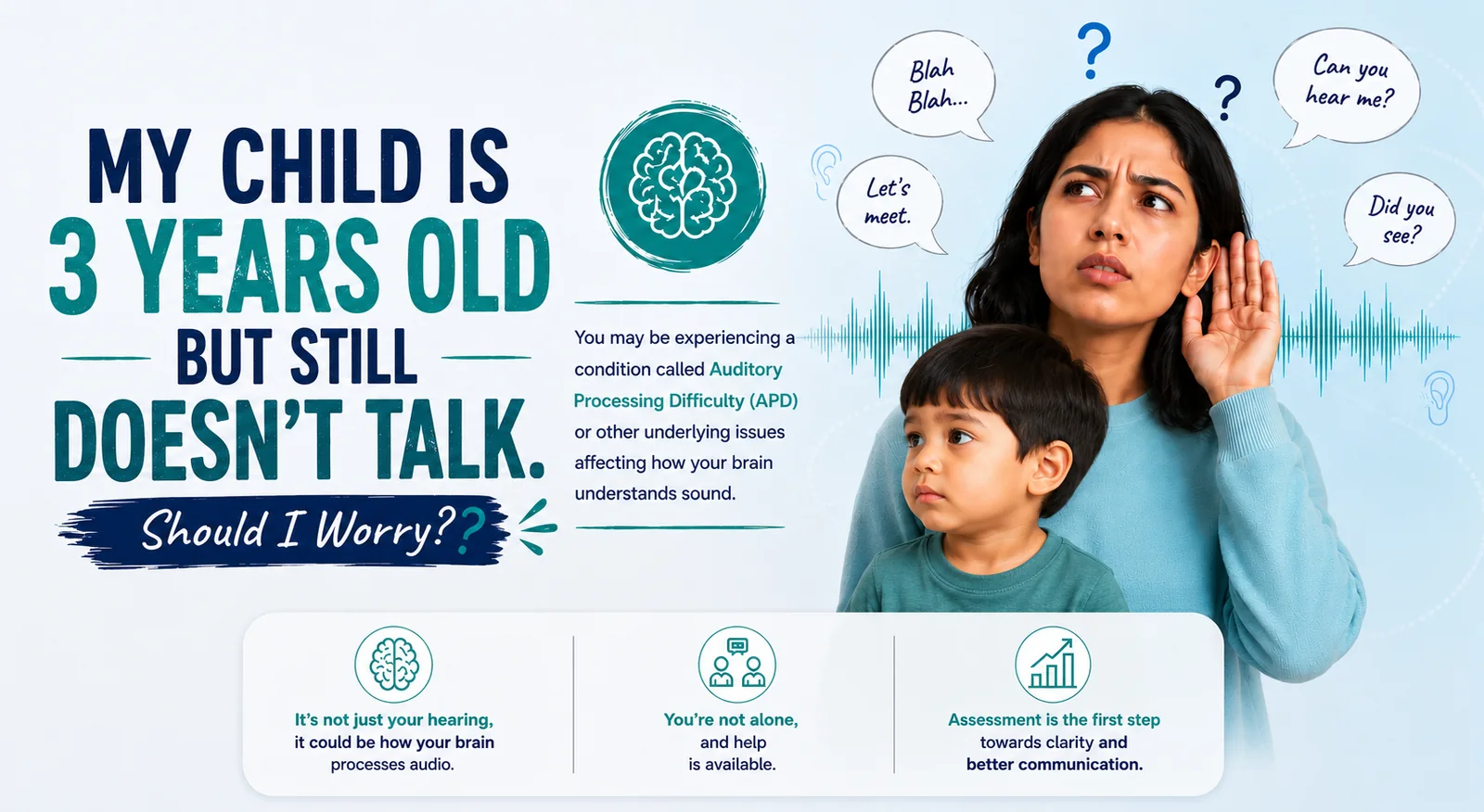
My Child Is 3 Years Old but Still Doesn't Talk. Should I Worry?
Delayed speech can be a sign of hearing loss or a developmental condition. Here's when to get an evaluation.

Jul 4, 2026
Bengal Rehabilitation Group
Which Hearing Aid Is Best for Senior Citizens in India?
The right hearing aid depends on hearing loss type, lifestyle & dexterity — not just the brand. Here's how to choose wisely.
Jul 4, 2026
Bengal Rehabilitation Group
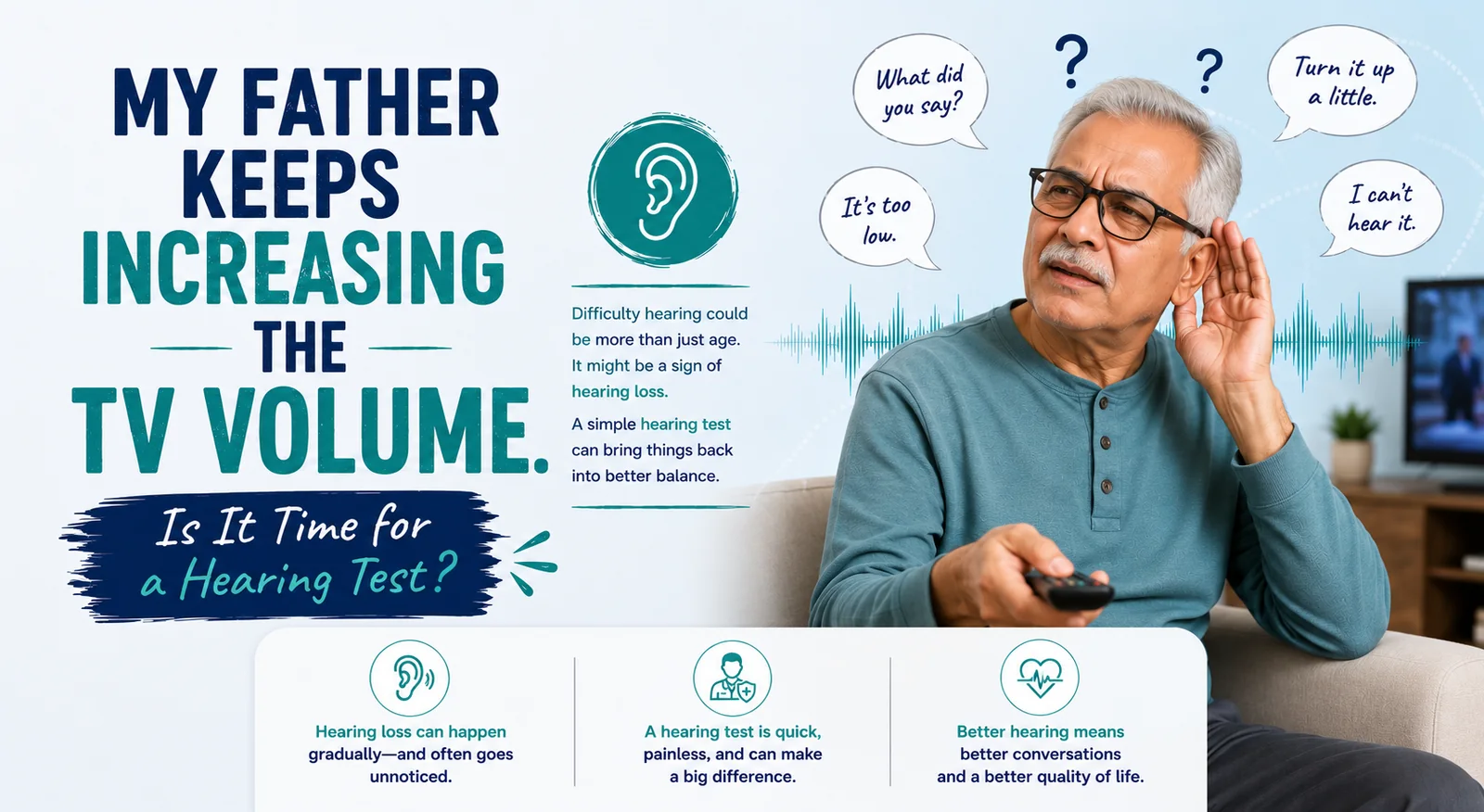
My Father Keeps Increasing the TV Volume. Is It Time for a Hearing Test?
Turning up the TV repeatedly can be an early sign of age-related hearing loss. Here's what to watch for.
Jul 3, 2026
Bengal Rehabilitation Group
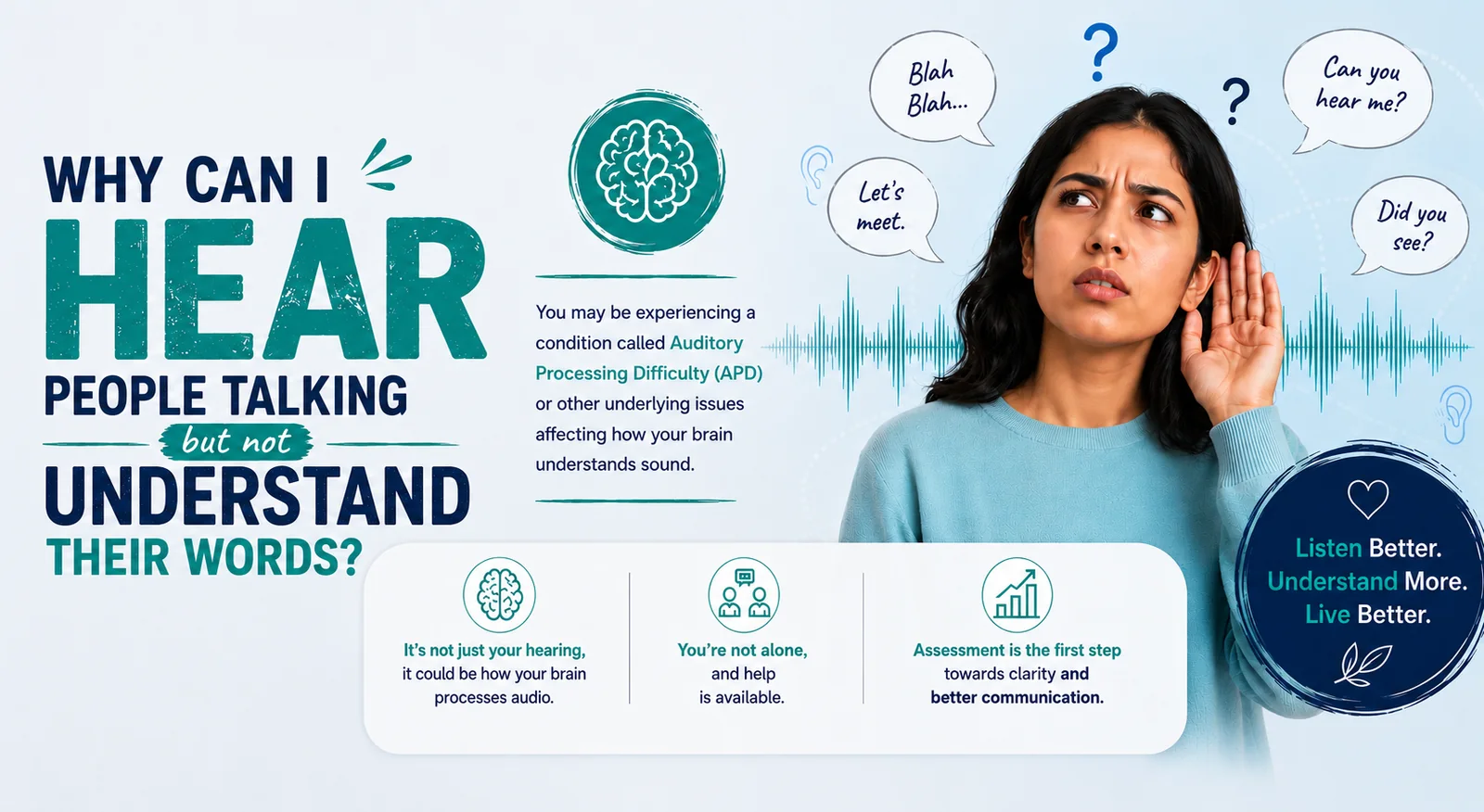
Why Can I Hear People Talking but Not Understand Their Words?
This is often hidden hearing loss or an auditory processing issue — not just loudness. Here's what could be happening.