Can Diabetes Cause Hearing Loss?
2 Years Ago
Bengal Rehabilitation Group
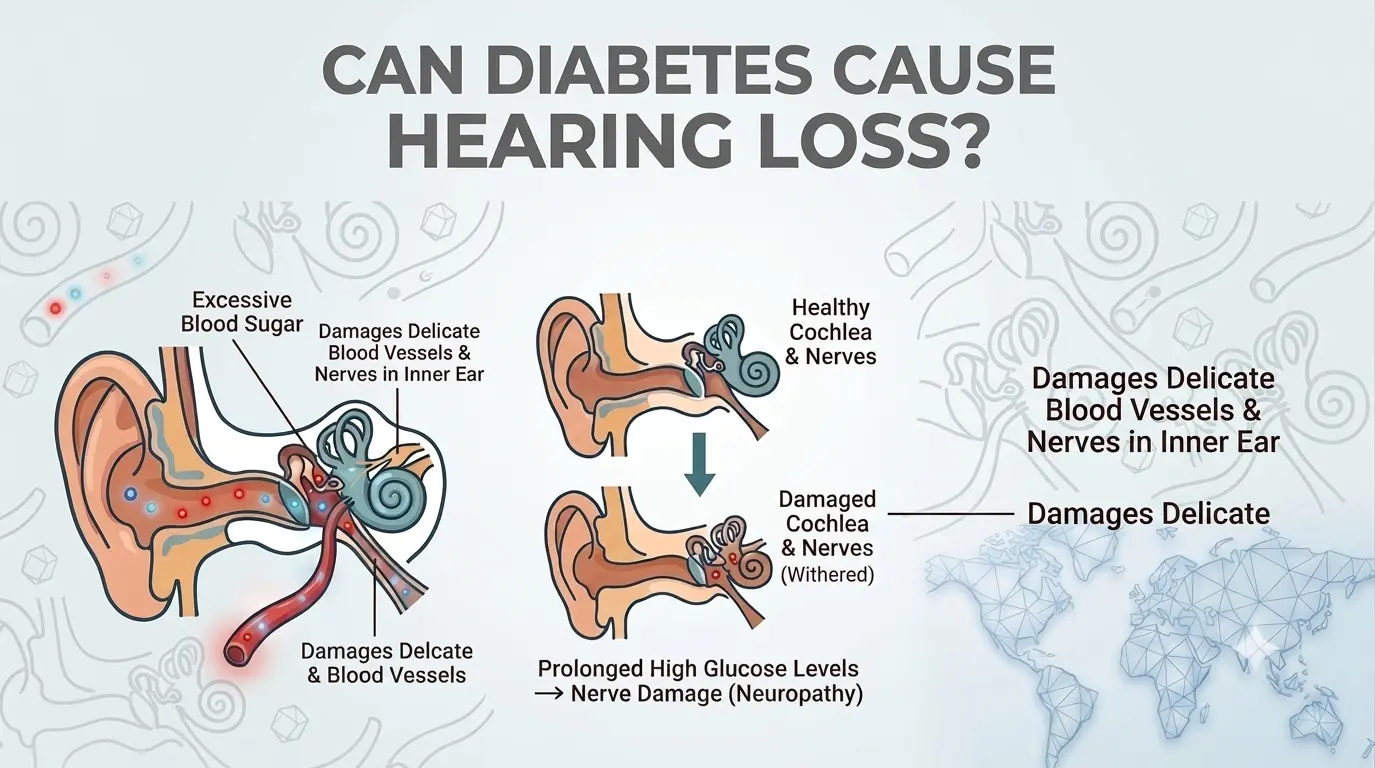
Yes, diabetes may increase the risk of hearing loss. High blood sugar levels over time can damage the tiny blood vessels and nerves of the inner ear, affecting how sound signals are transmitted to the brain. Although not everyone with diabetes develops hearing loss, regular hearing check-ups and good blood sugar control can help protect hearing health and detect problems early.
"Can My Diabetes Affect My Hearing Too?"
Have you ever found yourself asking people to repeat themselves, even though you heard them speaking?When most people think about diabetes, they think about:
- Blood sugar
- Eyes
- Kidneys
- Heart
- Feet
But very few people realize that your ears can also be affected.
If you've been living with diabetes and recently noticed that conversations seem unclear, the TV volume keeps increasing, or family members say you're not hearing properly, your hearing deserves attention.
While diabetes doesn't automatically cause hearing loss, research suggests that people with diabetes are more likely to develop hearing problems than those without the condition.
The good news?
Early detection and proper diabetes management may help reduce the risk of complications, including those affecting hearing.
How Can Diabetes Affect Hearing?
The inner ear is an incredibly delicate organ.
Inside it are tiny sensory hair cells and microscopic blood vessels that work together to convert sound into signals your brain understands.
Persistently high blood sugar levels may gradually damage:
- Small blood vessels that supply oxygen to the inner ear
- Hearing nerve pathways
- Sensory hair cells responsible for hearing
When these structures are affected, hearing may gradually become less clear.
Unlike earwax or an ear infection, this type of hearing loss usually develops slowly and may not be noticed immediately.
What Does Research Say?
Several studies have found that adults with diabetes are more likely to experience hearing loss than adults without diabetes.
Researchers believe this relationship is linked to long-term damage to the blood vessels and nerves caused by elevated blood glucose levels.
However, hearing loss is not inevitable.
Many people with diabetes maintain good hearing throughout their lives, especially when diabetes is well managed and routine health check-ups are maintained.
Symptoms
Diabetes-related hearing loss usually develops gradually.
You may notice:
- Difficulty understanding conversations
- Frequently asking people to repeat themselves
- Turning up the TV volume
- Trouble hearing in noisy places
- Ringing in the ears (tinnitus)
- Feeling that people are mumbling
- Missing parts of conversations
- Difficulty hearing high-pitched voices
Because the changes are often gradual, family members may notice the problem before you do.
Who Is at Risk?
Not everyone with diabetes develops hearing loss.
However, the risk may be higher in people who have:
- Type 1 diabetes
- Type 2 diabetes
- Long-standing diabetes
- Poor blood sugar control
- High blood pressure
- High cholesterol
- Kidney disease
- Smoking history
- Increasing age
- Exposure to loud noise
The presence of multiple risk factors may further increase the likelihood of hearing problems.
Can Good Diabetes Control Protect Hearing?
Keeping blood sugar within your healthcare provider's recommended range supports overall health and may help reduce the risk of complications affecting the ears.
Healthy habits include:
- Taking diabetes medication as prescribed
- Attending regular medical check-ups
- Eating a balanced diet
- Exercising regularly
- Managing blood pressure
- Avoiding smoking
- Protecting your ears from excessive noise
Although these steps cannot guarantee prevention, they support both hearing and general health.
When Should You See an Audiologist?
You should consider a hearing evaluation if you:
- Have diabetes and notice changes in hearing.
- Frequently ask others to repeat themselves.
- Increase the television volume.
- Experience ringing in the ears.
- Find conversations difficult in noisy places.
- Have never had your hearing tested despite long-term diabetes.
Many adults routinely monitor their eyes and kidneys because of diabetes. Hearing should also be considered an important part of overall health.
How Is It Diagnosed?
If hearing changes are suspected, an audiologist may recommend a comprehensive hearing evaluation.
Related Articles
You may also find these articles helpful:
Treatment Options
Treatment depends on the cause and severity of hearing loss.
Can Diabetes-Related Hearing Loss Be Reversed?
This is one of the most common questions patients ask.
If hearing loss is caused by permanent damage to the inner ear, it usually cannot be reversed.
However, many people experience significant improvement in communication through:
- Early diagnosis
- Appropriate hearing aids
- Hearing rehabilitation
- Ongoing hearing care
- Good diabetes management
The sooner hearing changes are identified, the more treatment options are available.
How Bengal Rehabilitation Group Can Help
At Bengal Rehabilitation Group (BRG), we understand that hearing health is an important part of overall health, especially for people living with chronic conditions such as diabetes.
Our experienced audiologists provide comprehensive hearing assessments to identify hearing changes early and recommend personalized rehabilitation based on your individual needs.
Our services include:
- Comprehensive Hearing Assessment
- Pure Tone Audiometry (PTA)
- Speech Audiometry
- Tympanometry
- OAE Testing
- Digital Hearing Aid Consultation
- Hearing Aid Fitting & Programming
- Hearing Rehabilitation
- Follow-Up Hearing Care
- Patient Education and Counselling
With hospital-based clinics across Kolkata and surrounding areas, BRG works alongside your healthcare team to help you maintain better hearing and a better quality of life.
People Also Ask
Yes. Research suggests that diabetes may increase the risk of hearing loss by affecting the small blood vessels and nerves of the inner ear.
Not everyone with diabetes develops hearing loss, but studies indicate that it may occur more frequently than in people without diabetes.
Good blood sugar control supports overall health and may help reduce the risk of complications. However, if permanent inner ear damage has already occurred, hearing may not fully recover.
Yes. If you have diabetes, especially for many years or if you notice hearing changes, periodic hearing evaluations are recommended.
Diabetes is most commonly associated with sensorineural hearing loss, which affects the inner ear or hearing nerve.
Yes. Modern digital hearing aids can significantly improve communication and quality of life when hearing loss is present.
Some people with diabetes may also experience tinnitus (ringing in the ears), although tinnitus has many possible causes and should be evaluated professionally.
Yes. Diabetes-related hearing loss often affects both ears, although the severity may vary.
If the hearing loss results from permanent damage to the inner ear, it is usually not reversible. Early diagnosis and appropriate treatment can help improve communication.
If you have diabetes and notice any changes in hearing—or if you have never had your hearing tested—it is a good idea to schedule a comprehensive hearing evaluation.
- Hearing Care Click Here
- Speech, Language & Voice Care Click Here
- Speech Correction Click Here
- Voice Correction Click Here
- Hearing Upp (App) Click Here





Living with diabetes means taking care of
your overall health—including your hearing.
If you've noticed changes in your hearing or simply want peace of mind, a professional hearing evaluation can help detect problems early.
Book an AppointmentRelated Articles
Jul 4, 2026
Bengal Rehabilitation Group
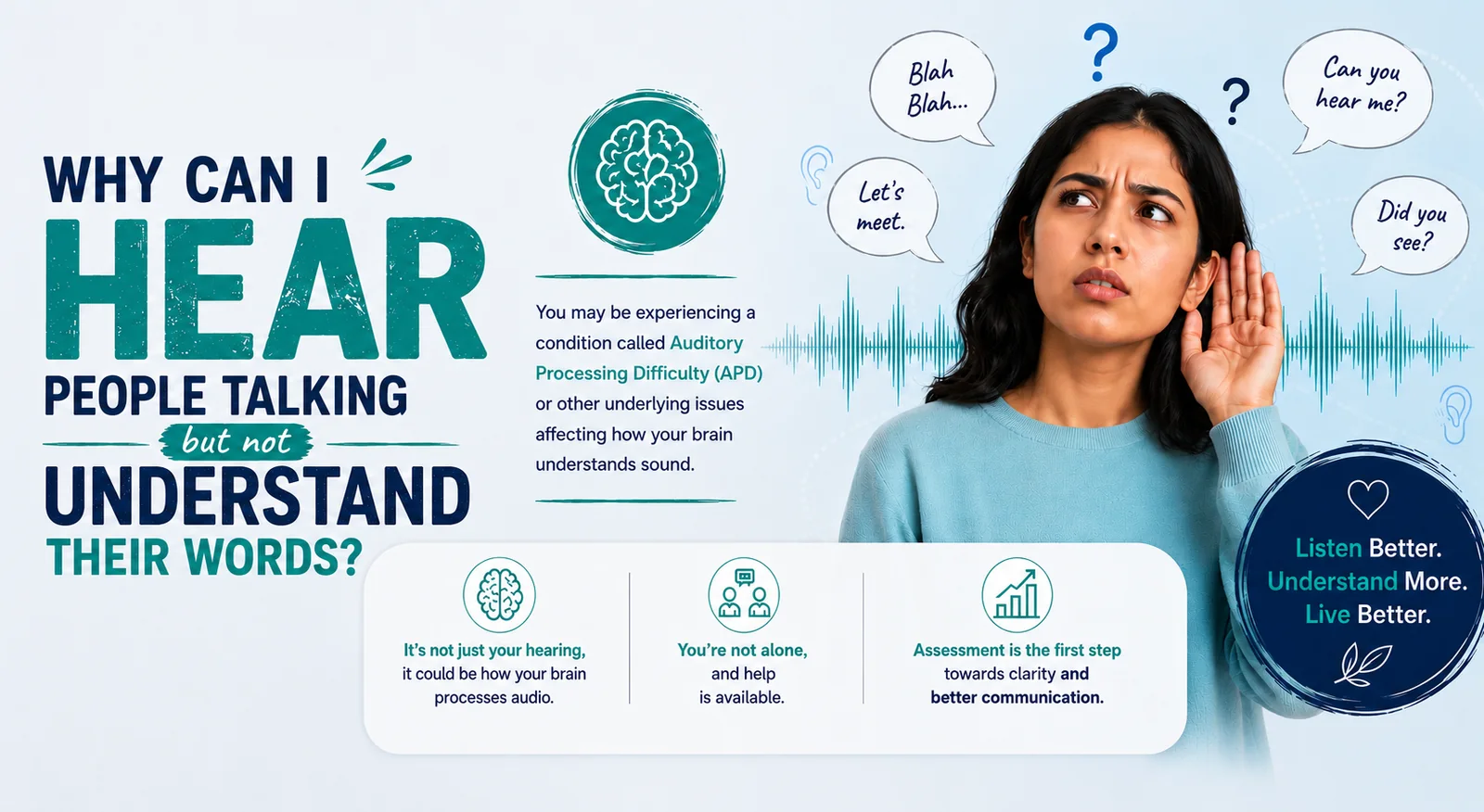
Why Can I Hear People Talking but Not Understand Their Words?
If you can hear people talking but struggle to understand what they're saying, you're not alone. This is often caused by hearing loss that affects speech clarity rather than loudness, age-related hearing changes, hidden hearing loss, ear conditions, or auditory processing problems.
Jul 4, 2026
Bengal Rehabilitation Group
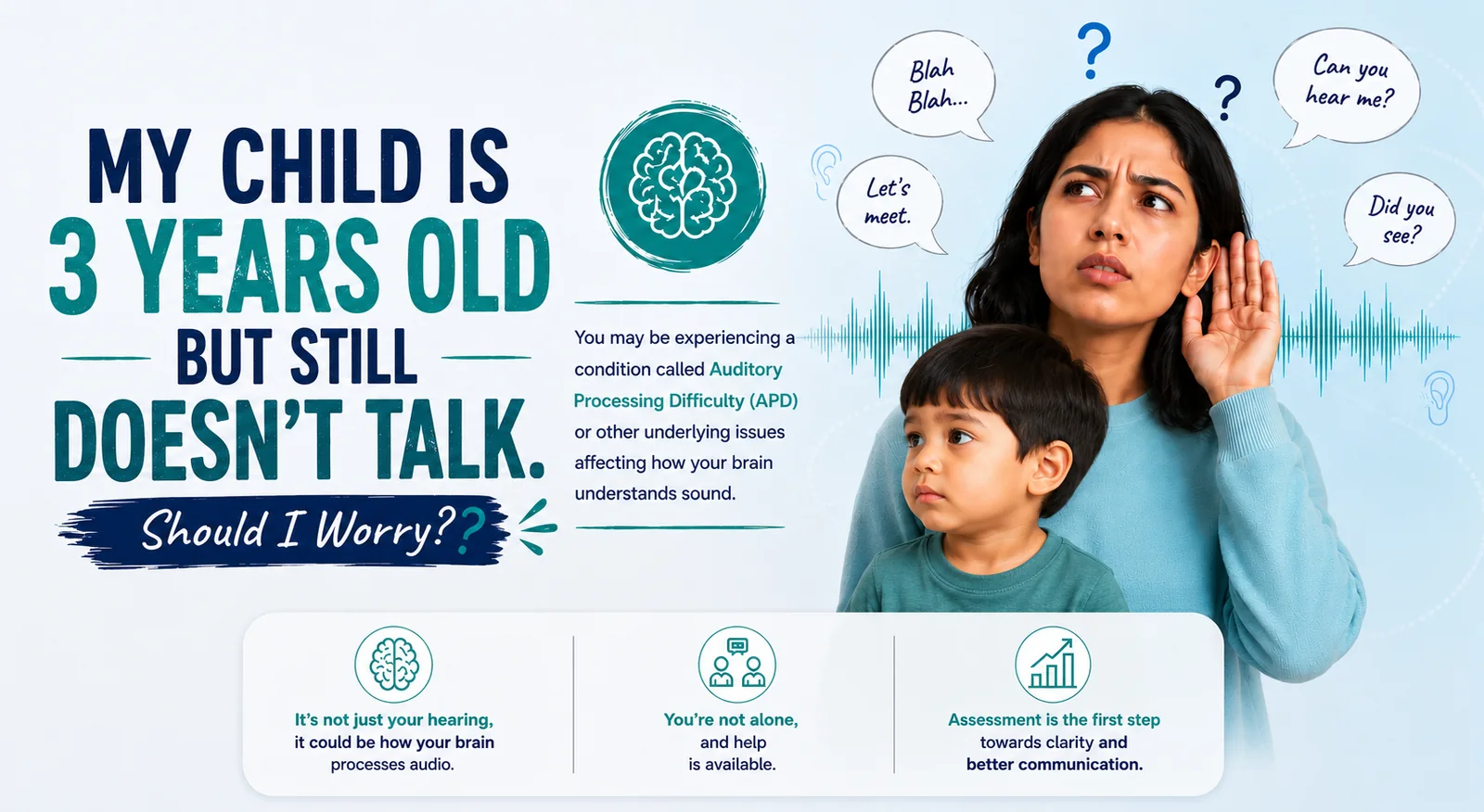
My Child Is 3 Years Old but Still Doesn't Talk. Should I Worry?
Delayed speech can be a sign of hearing loss or a developmental condition. Here's when to get an evaluation.
Jul 4, 2026
Bengal Rehabilitation Group
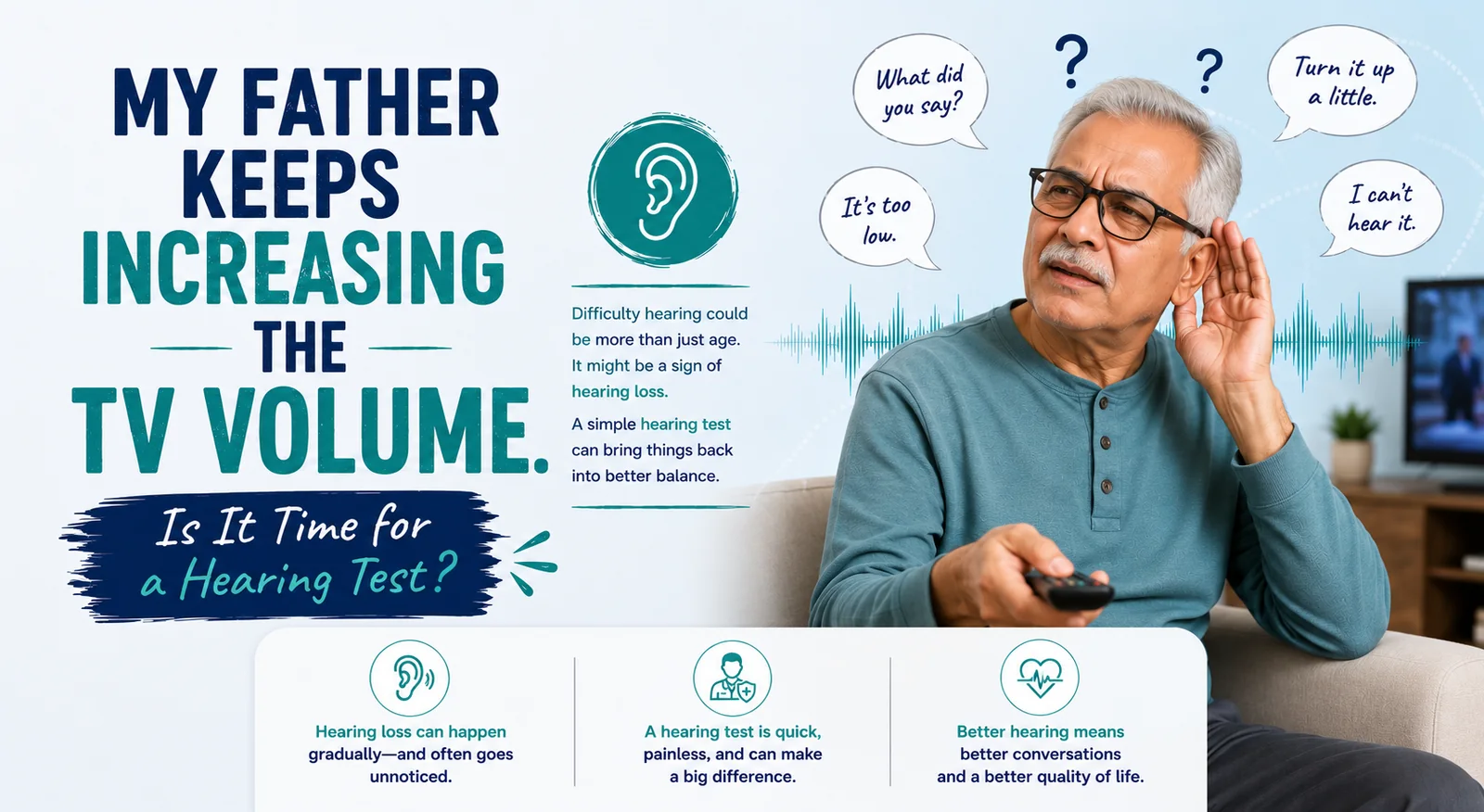
My Father Keeps Increasing the TV Volume. Is It Time for a Hearing Test?
Turning up the TV repeatedly can be an early sign of age-related hearing loss. Here's what to watch for.

Jul 4, 2026
Bengal Rehabilitation Group
Which Hearing Aid Is Best for Senior Citizens in India?
The right hearing aid depends on hearing loss type, lifestyle & dexterity — not just the brand. Here's how to choose wisely.
2 Years Ago
Bengal Rehabilitation Group
Why Do My Hearing Aids Whistle? (And How Can I Fix It?)
A whistling or squealing hearing aid is usually caused by feedback, where amplified sound escapes from your ear and is picked up again by the hearing aid's microphone.
Jul 6, 2026
Bengal Rehabilitation Group
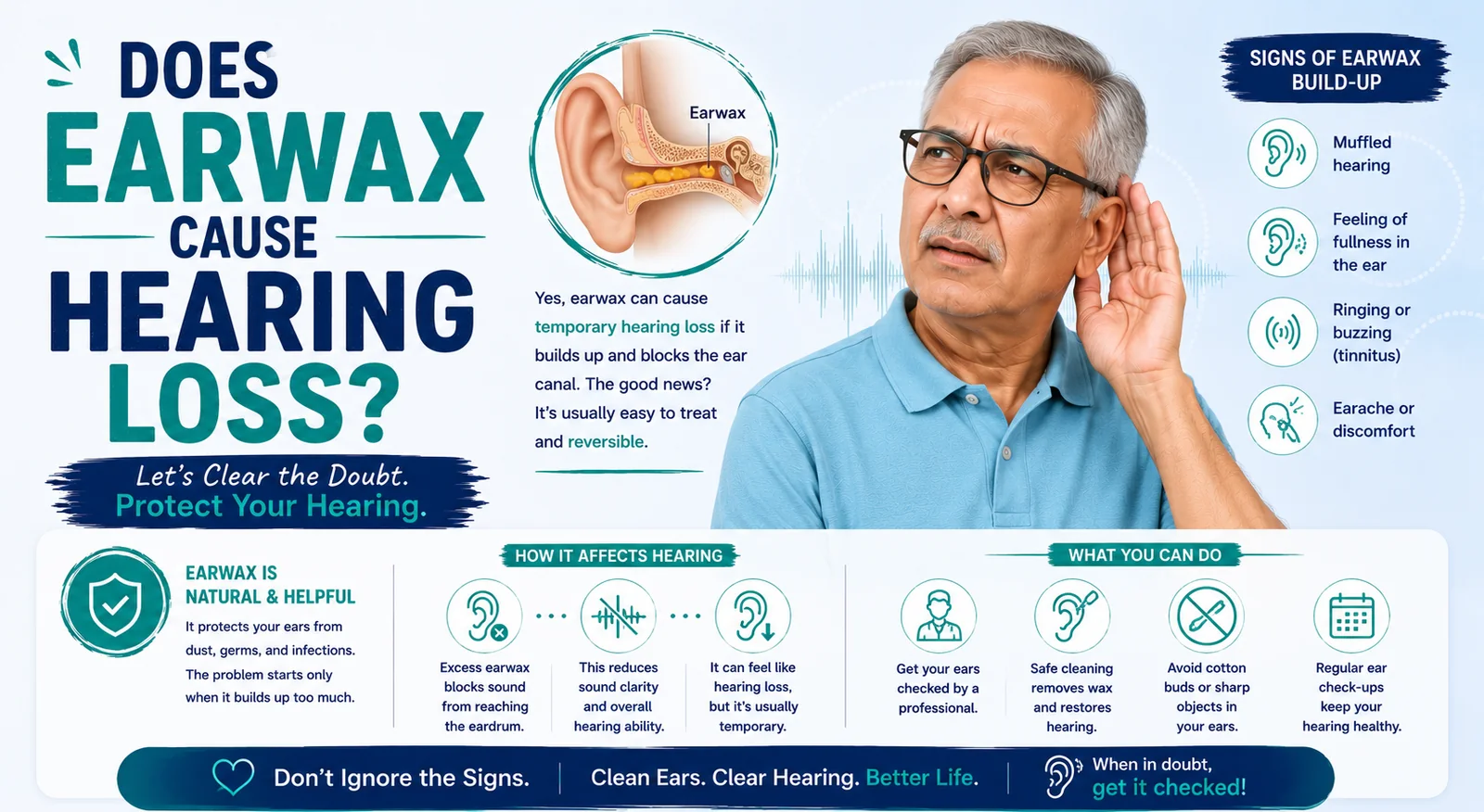
Does Earwax Cause Hearing Loss?
Yes, excessive earwax can temporarily block hearing. Learn why it happens and when to see an audiologist.
2 Years Ago
Bengal Rehabilitation Group
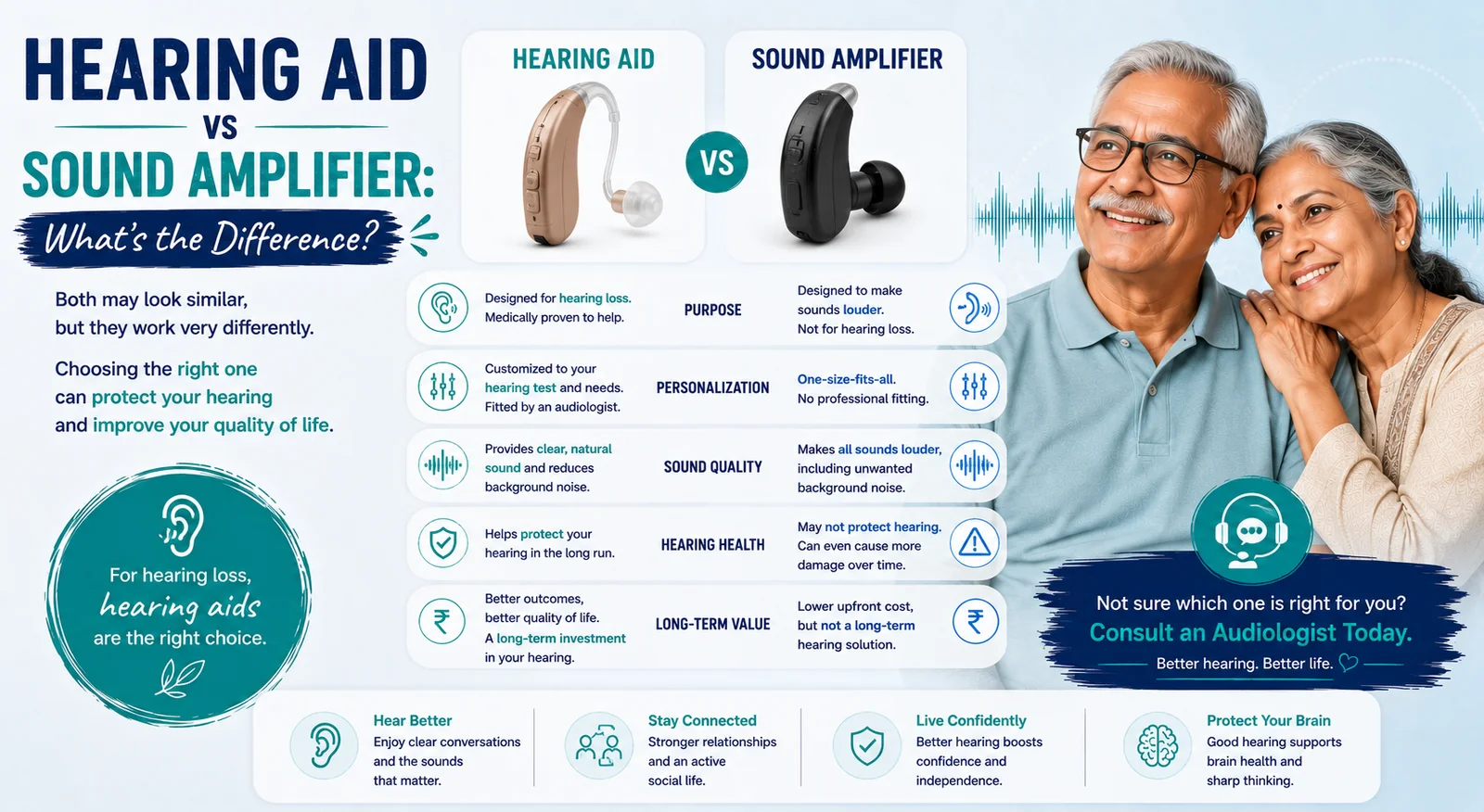
Hearing Aid vs Sound Amplifier: What's the Difference?
Although they may look similar, hearing aids and sound amplifiers are not the same. Hearing aids are medical devices programmed according to your hearing test to improve speech clarity
2 Years Ago
Bengal Rehabilitation Group
Can Diabetes Cause Hearing Loss?
Yes, diabetes may increase the risk of hearing loss. High blood sugar levels over time can damage the tiny blood vessels and nerves of the inner ear, affecting how sound signals are transmitted to the brain.
2 Years Ago
Bengal Rehabilitation Group
Can Mobile Phones Cause Speech Delay in Children?
Excessive screen time from mobile phones, tablets, or television may contribute to delayed speech and language development, particularly in young children when it replaces face-to-face interaction, play, and conversation.