Hearing Aid vs Sound Amplifier: What's the Difference?
2 Years Ago
Bengal Rehabilitation Group
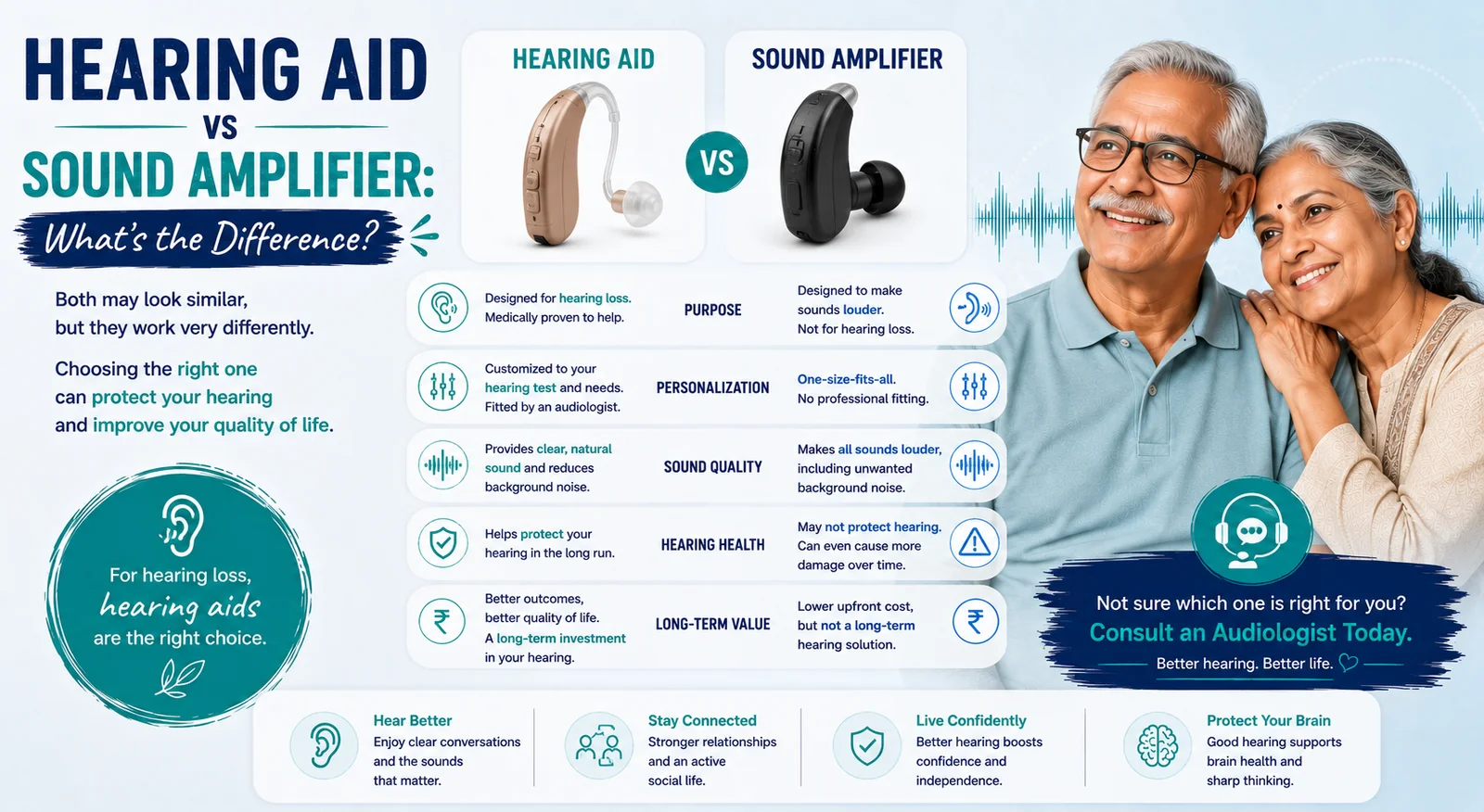
Although they may look similar, hearing aids and sound amplifiers are not the same. Hearing aids are medical devices programmed according to your hearing test to improve speech clarity and communication. Sound amplifiers, also known as Personal Sound Amplification Products (PSAPs), simply make surrounding sounds louder and are not intended to treat hearing loss. If you have difficulty hearing conversations, a hearing evaluation is the safest first step.
"They Look the Same… So Why Is One So Much More Expensive?"
Imagine you're shopping online.
You see two products.
One costs ₹3,000.
Another costs ₹80,000.
Both fit behind the ear.
Both claim to help you hear better.
Naturally, you wonder:
It's a fair question.
The answer lies in how they work.
A sound amplifier simply increases the volume of everything around you.
A hearing aid does much more—it analyzes sounds, reduces background noise, enhances speech, and is customized to your unique hearing loss.
While they may appear similar, their purpose and performance are very different.
What Is a Hearing Aid?
A hearing aid is a medical device designed for people with hearing loss.
Before it is fitted, an audiologist performs a hearing assessment to determine:
- The type of hearing loss
- The degree of hearing loss
- Which frequencies are affected
- Speech understanding ability
The hearing aid is then programmed specifically for your hearing profile.
Modern digital hearing aids can:
- Improve speech clarity
- Reduce background noise
- Minimize feedback (whistling)
- Automatically adjust to different listening environments
- Connect to smartphones and televisions
- Help reduce listening effort
The goal is not just louder sound—but clearer communication.
What Is a Sound Amplifier (PSAP)?
A Personal Sound Amplification Product (PSAP) is designed for people with normal hearing who want to hear environmental sounds more clearly in specific situations.
For example:
- Bird watching
- Hunting (where legally permitted)
- Listening to distant sounds
- Outdoor observation
A PSAP increases the volume of nearby sounds but does not diagnose, treat, or compensate for hearing loss.
Unlike hearing aids, most sound amplifiers:
- Are not customized
- Do not require a hearing test
- Amplify all sounds equally
- Offer limited speech processing
- May increase background noise
Hearing Aid vs Sound Amplifier: Key Differences
| Feature | Hearing Aid | Sound Amplifier (PSAP) |
|---|---|---|
| Purpose | Treats hearing loss | Amplifies environmental sounds |
| Hearing Test Required | ✅ Yes | ❌ No |
| Customized Programming | ✅ Yes | ❌ No |
| Improves Speech Clarity | ✅ Yes | Limited |
| Background Noise Reduction | ✅ Advanced | Minimal |
| Medical Device | ✅ Yes | ❌ No |
| Suitable for Hearing Loss | ✅ Yes | ❌ Not recommended |
| Professional Fitting | ✅ Yes | Usually No |
Although both devices amplify sound, only hearing aids are designed to address hearing loss.
Why a Sound Amplifier Isn't a Substitute for a Hearing Aid
Many people buy sound amplifiers because they are less expensive.
Unfortunately, they often discover that conversations are still difficult to understand.
That's because hearing loss isn't simply a matter of volume.
Many people with hearing loss say:
A sound amplifier makes everything louder, including:
- Traffic
- Fans
- Television
- Restaurant noise
- Background conversations
A hearing aid, on the other hand, is designed to make speech clearer while reducing unwanted noise whenever possible.
When Might a Sound Amplifier Be Useful?
A sound amplifier may be appropriate if:
- Your hearing is normal.
- You want to hear distant environmental sounds.
- You're participating in recreational activities such as bird watching.
- You occasionally need extra amplification in specific situations.
It is not recommended as a treatment for diagnosed hearing loss.
Who Is at Risk of Choosing the Wrong Device?
People often purchase sound amplifiers without realizing they have hearing loss.
This is especially common among:
- Older adults
- People who increase the TV volume
- Individuals who struggle in conversations
- Those who avoid hearing tests
- People buying devices based only on online advertisements
- Family members trying to help elderly relatives without professional advice
Choosing the wrong device can delay proper diagnosis and treatment.
Signs You May Need a Hearing Aid Instead
Consider a hearing evaluation if you:
- Frequently ask people to repeat themselves.
- Hear speech but cannot understand the words.
- Increase the TV volume.
- Have difficulty hearing in noisy places.
- Experience ringing in the ears (tinnitus).
- Avoid conversations because hearing has become difficult.
- Notice hearing becoming worse over time.
These are signs that a hearing assessment is more appropriate than purchasing a generic amplifier.
When Should You See an Audiologist?
Rather than buying a hearing device based on advertisements, it's better to first understand why you're having difficulty hearing.
You should schedule a hearing assessment if:
- Hearing problems affect daily life.
- Family members notice your hearing has changed.
- You're comparing hearing aids with amplifiers because you're struggling to hear.
- You're unsure whether your hearing loss is temporary or permanent.
- You're considering investing in a hearing device.
A professional evaluation helps ensure you choose the right solution the first time.
How Is It Diagnosed?
The first step is not choosing a device.
The first step is understanding your hearing.
An audiologist may perform:
Related Articles
You may also find these articles helpful:
Treatment Options
The appropriate solution depends on the cause of your hearing difficulty.
How Bengal Rehabilitation Group Can Help
At Bengal Rehabilitation Group (BRG), we believe that choosing a hearing solution begins with understanding your hearing—not with purchasing a device.
Our experienced audiologists perform comprehensive hearing assessments, explain the available options clearly, and recommend hearing solutions based on your individual hearing profile, communication needs, and lifestyle.
Our services include:
- Comprehensive Hearing Assessment
- Pure Tone Audiometry (PTA)
- Speech Audiometry
- Tympanometry
- Digital Hearing Aid Consultation
- Hearing Aid Trial
- Hearing Aid Fitting & Programming
- Rechargeable & Bluetooth Hearing Aids
- Hearing Rehabilitation
- Long-Term Follow-Up Care
With hospital-based clinics across Kolkata and surrounding areas, BRG is committed to helping patients make informed decisions about their hearing health.
People Also Ask
A hearing aid is a medical device programmed for hearing loss, while a sound amplifier simply increases the volume of surrounding sounds without being customized.
No. If you have hearing loss, a sound amplifier is not a substitute for a professionally fitted hearing aid.
No. Hearing aids are available for mild, moderate, severe, and profound hearing loss, depending on individual needs.
Hearing aids include advanced sound processing, personalized programming, professional fitting, and ongoing support, whereas amplifiers generally do not.
Yes. A hearing test helps determine the type and degree of hearing loss so the hearing aid can be programmed correctly.
Many modern digital hearing aids include advanced noise reduction features that improve speech understanding in challenging listening environments.
For people with normal hearing, a PSAP may be appropriate in certain situations. If you suspect hearing loss, it's better to seek professional advice before using one.
For older adults with diagnosed hearing loss, a professionally fitted hearing aid is generally the more appropriate choice because it addresses their specific hearing needs.
While some devices are sold online, hearing aids provide the best results when selected and programmed by a qualified audiologist following a comprehensive hearing assessment.
The most reliable way is to schedule a hearing assessment with an audiologist, who can recommend the most suitable option based on your hearing, lifestyle, and communication needs.
- Hearing Care Click Here
- Speech, Language & Voice Care Click Here
- Speech Correction Click Here
- Voice Correction Click Here
- Hearing Upp (App) Click Here



Difficulty Understanding Conversations
Doesn't have to become a part of daily life
Early diagnosis can help identify the cause and improve your ability to communicate with confidence
Book an AppointmentRelated Articles
Jul 4, 2026
Bengal Rehabilitation Group
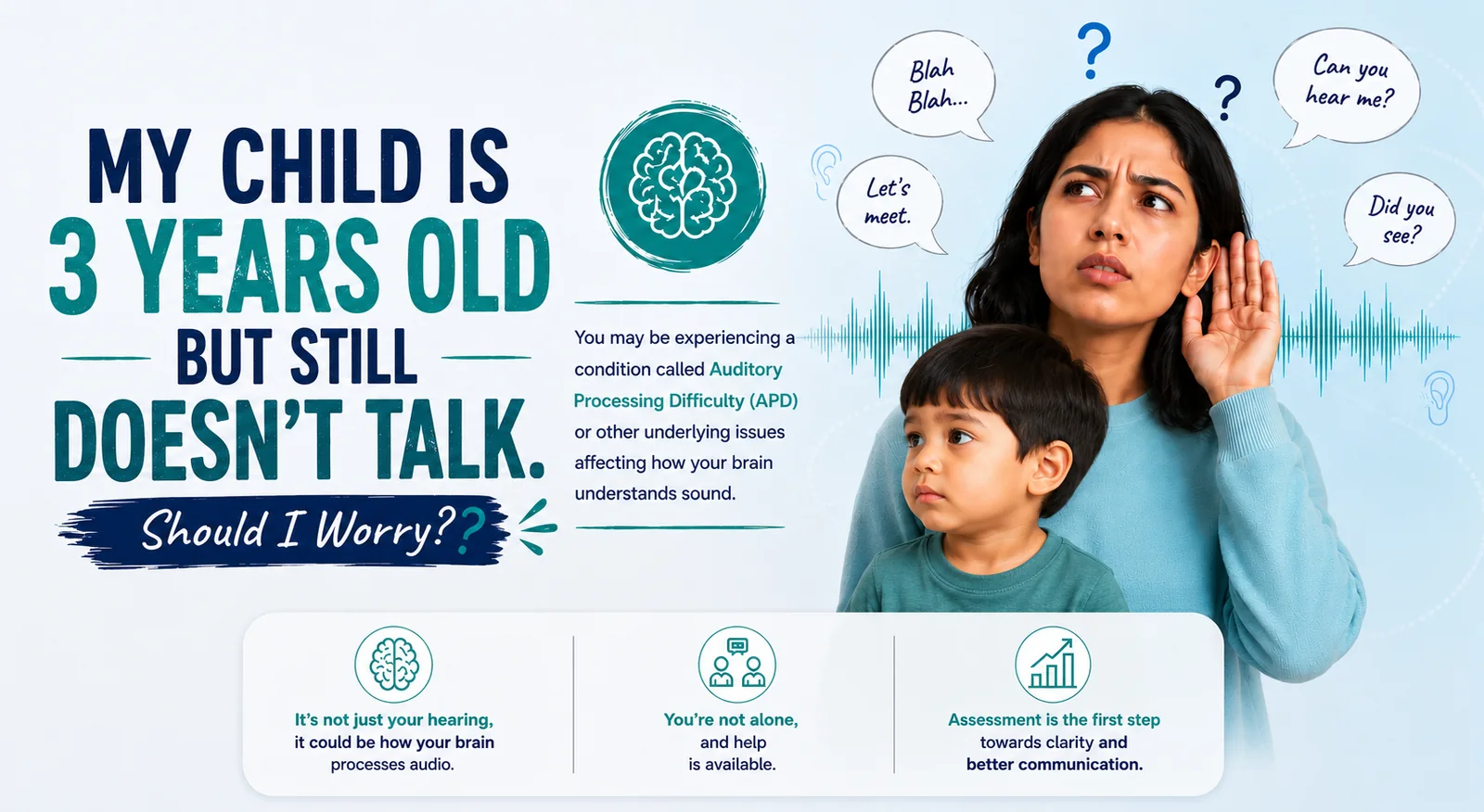
My Child Is 3 Years Old but Still Doesn't Talk. Should I Worry?
Delayed speech can be a sign of hearing loss or a developmental condition. Here's when to get an evaluation.
Jul 4, 2026
Bengal Rehabilitation Group
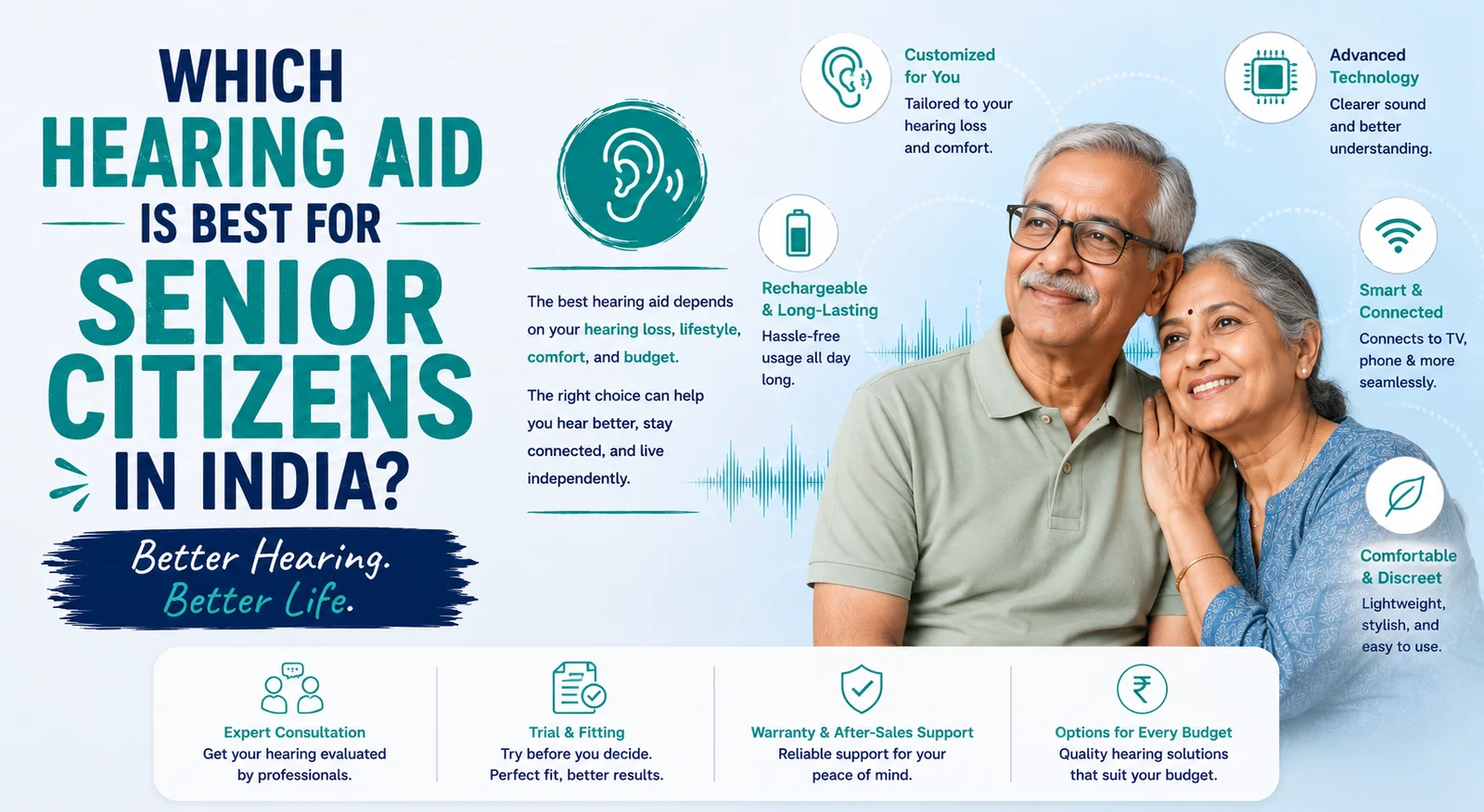
Which Hearing Aid Is Best for Senior Citizens in India?
The right hearing aid depends on hearing loss type, lifestyle & dexterity — not just the brand. Here's how to choose wisely.
Jul 6, 2026
Bengal Rehabilitation Group
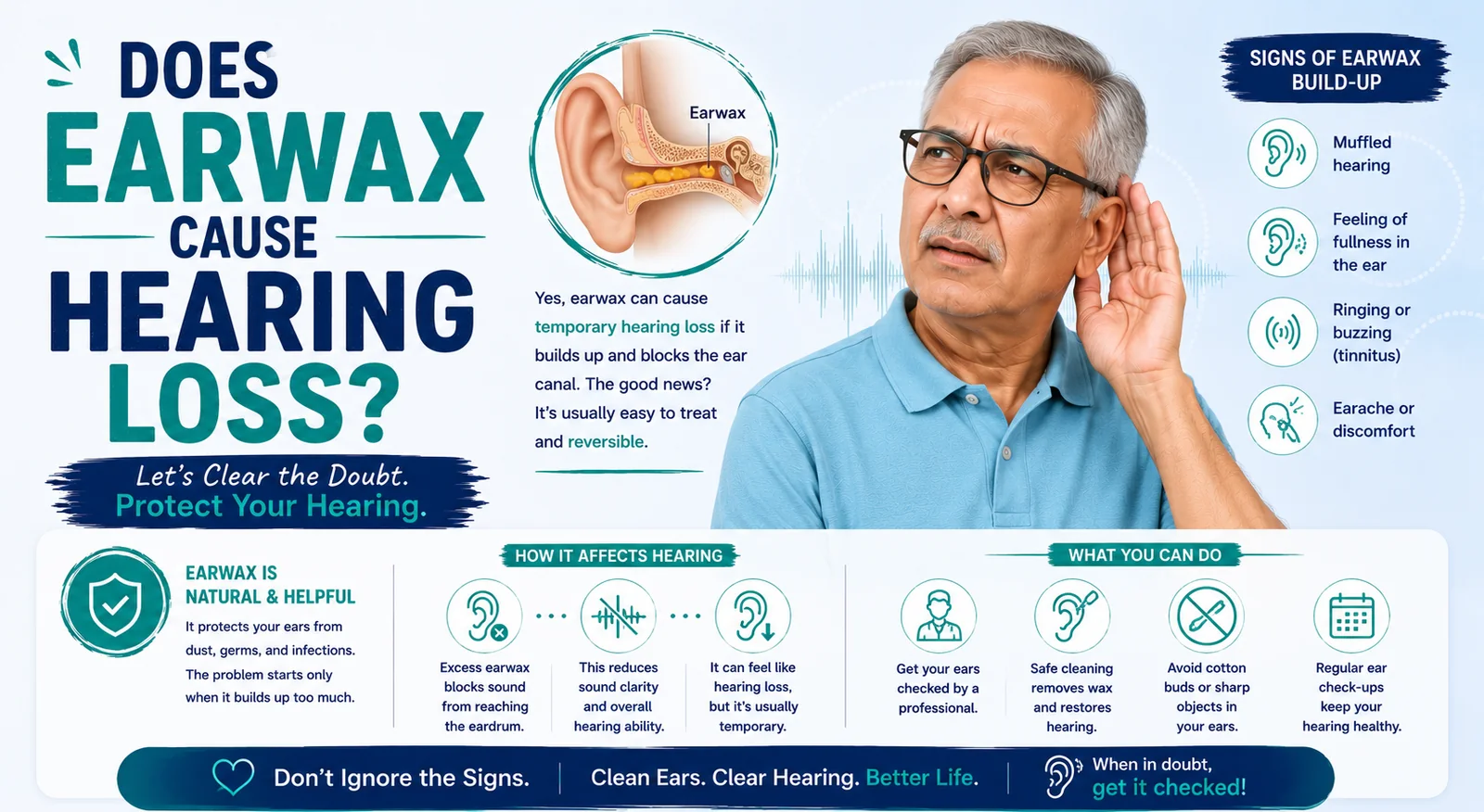
Does Earwax Cause Hearing Loss?
Yes, excessive earwax can temporarily block hearing. Learn why it happens and when to see an audiologist.
Jul 4, 2026
Bengal Rehabilitation Group
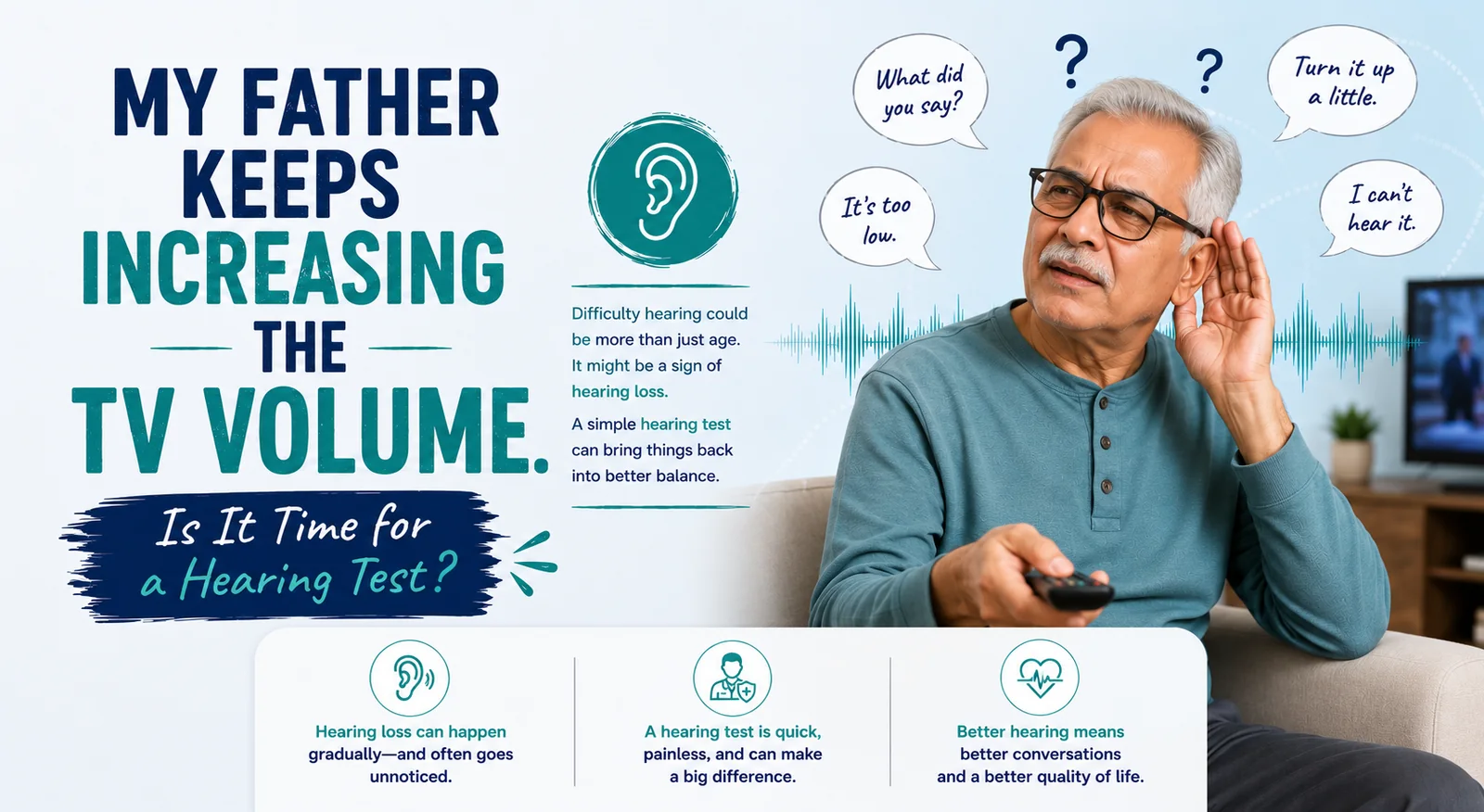
My Father Keeps Increasing the TV Volume. Is It Time for a Hearing Test?
Turning up the TV repeatedly can be an early sign of age-related hearing loss. Here's what to watch for.