Why Do My Hearing Aids Whistle? (And How Can I Fix It?)
2 Years Ago
Bengal Rehabilitation Group
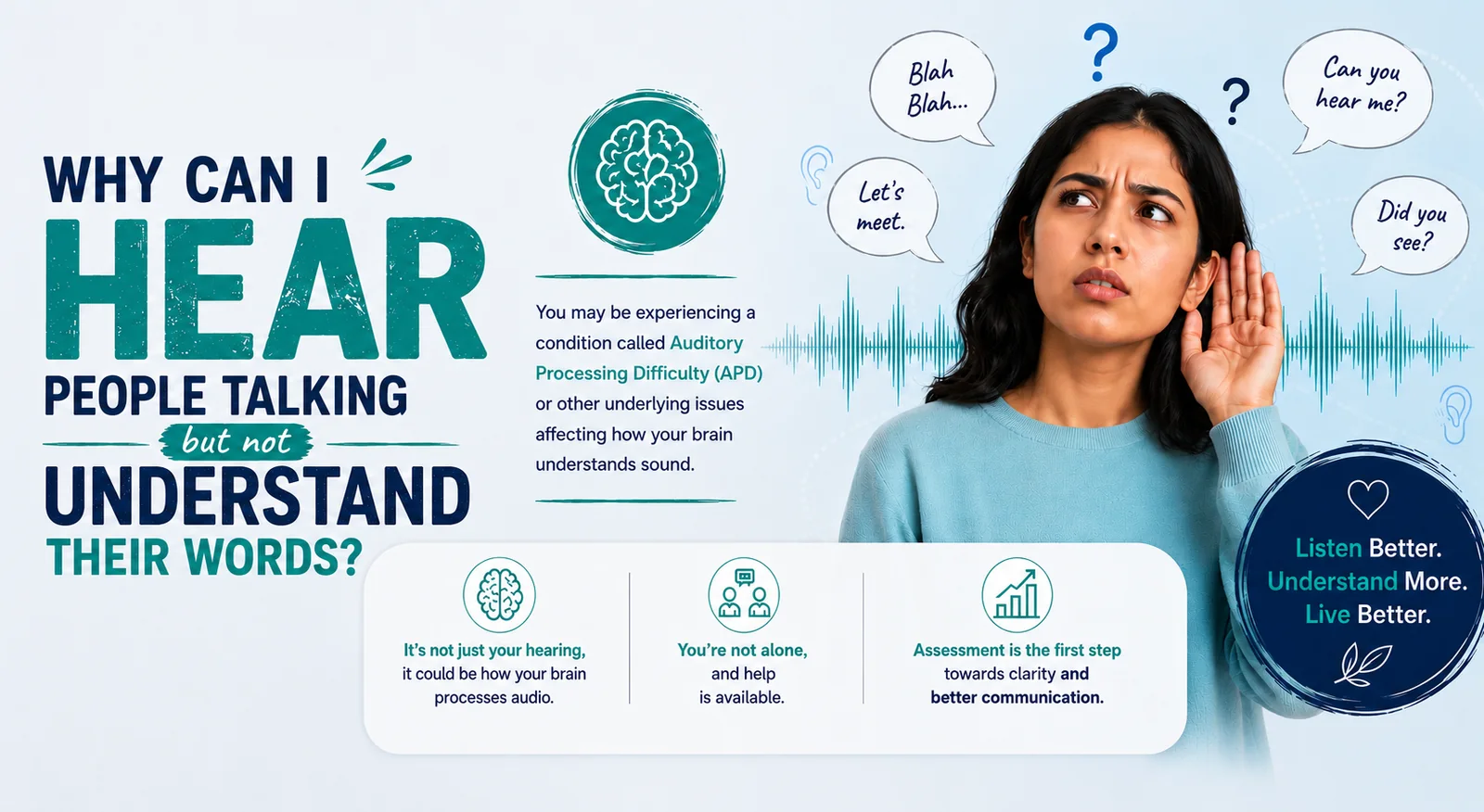
A whistling or squealing hearing aid is usually caused by feedback, where amplified sound escapes from your ear and is picked up again by the hearing aid's microphone. Common reasons include an improper fit, earwax buildup, loose earmolds, incorrect insertion, or changes in your hearing. While some causes are easy to fix at home, persistent whistling should be evaluated by an audiologist.
"Why Is My Hearing Aid Suddenly Making That Annoying Whistling Sound?"
You've finally started enjoying clearer conversations with your hearing aids.
Then one day...
"Peeeeeeeeeeee..."
A high-pitched whistling sound starts whenever you hug someone, wear a cap, answer the phone, or even while sitting quietly.
It can be embarrassing in public and frustrating at home.
Many people immediately think:
- "Is my hearing aid broken?"
- "Do I need a new one?"
- "Did I waste my money?"
Fortunately, the answer is usually no.
In most cases, hearing aid whistling is caused by feedback, and it can often be corrected without replacing your hearing aid.
Why Does a Hearing Aid Whistle?
A hearing aid works by:
- Picking up sound through its microphone.
- Processing and amplifying the sound.
- Delivering the sound into your ear.
If some amplified sound leaks back out and reaches the microphone again, the hearing aid repeatedly amplifies the same sound.
This creates the familiar high-pitched whistle, known as acoustic feedback.
Modern hearing aids are designed to minimize feedback, but it can still occur under certain conditions.
Related Articles
You may also find these articles helpful:
Symptoms
You may notice:
- High-pitched squealing sounds
- Whistling while inserting the hearing aid
- Feedback when someone hugs you
- Whistling during phone calls
- Noise while chewing
- Reduced sound quality
- Intermittent feedback
- Whistling in only one ear
Persistent feedback should not be ignored because it often indicates a fitting or maintenance issue.
Who Is at Risk?
Hearing aid feedback can affect anyone, but it's more common among:
You may be at higher risk if you are:
- New hearing aid users
- Older adults
- People with excessive earwax
- Individuals whose hearing has changed
- Those using old or damaged earmolds
- Children who have outgrown their earmolds
- Taking medications that affect hearing
- People who haven't had their hearing aids serviced recently
When Should You See an Audiologist?
Occasional feedback while inserting your hearing aid is usually normal.
However, schedule an appointment if:
- The whistling continues throughout the day.
- Reinserting the hearing aid doesn't help.
- The sound quality has worsened.
- You suspect your hearing has changed.
- Your earmold feels loose.
- The hearing aid has been dropped or damaged.
- You haven't had the hearing aid checked for over a year.
Professional adjustment can often restore optimal performance without replacing the device.
How Is It Diagnosed?
An audiologist will identify the cause through several steps.
Treatment Options
The solution depends on the underlying cause.
Tips to Prevent Hearing Aid Whistling
You can reduce the chances of feedback by:
- Inserting your hearing aid correctly every day.
- Keeping your ears free of excessive earwax.
- Cleaning your hearing aid regularly.
- Scheduling routine servicing.
- Avoiding unnecessary volume adjustments.
- Replacing worn tubing or earmolds when recommended.
- Having your hearing checked regularly.
How Bengal Rehabilitation Group Can Help
At Bengal Rehabilitation Group (BRG), we understand how frustrating hearing aid feedback can be.
Our experienced audiologists don't just sell hearing aids—they provide ongoing care to ensure your devices continue performing at their best.
Our hearing aid services include:
- Hearing Aid Inspection
- Hearing Aid Programming
- Feedback Management
- Hearing Aid Cleaning
- Earwax Assessment
- Hearing Aid Repairs
- Earmold Replacement
- Tubing Replacement
- Annual Hearing Aid Review
Whether you purchased your hearing aid recently or have been using it for years, our team is here to help you enjoy comfortable, clear hearing again.
People Also Ask
The most common cause is acoustic feedback, where amplified sound escapes the ear and is picked up again by the hearing aid microphone.
A brief whistle while inserting the hearing aid can be normal. Continuous whistling usually indicates a fitting, maintenance, or ear-related issue.
Yes. Excess earwax can change the way sound travels in the ear canal and contribute to feedback.
Not necessarily. Most cases are caused by fit, earwax, or programming issues rather than device failure.
No. Increasing the volume may actually make the feedback worse. It's best to have the hearing aid checked by an audiologist.
Yes. If your hearing has changed since your hearing aid was programmed, the settings may need adjustment.
Most hearing aids benefit from professional servicing every 6–12 months, depending on usage and manufacturer recommendations.
Yes, basic daily cleaning is recommended. However, deeper maintenance and repairs should be performed by a qualified professional.
Objects close to your ear, including another person's shoulder or hand, can reflect amplified sound back into the hearing aid microphone, causing temporary feedback.
If your hearing aid whistles frequently, sounds distorted, or no longer provides clear hearing, schedule a professional evaluation.
- Hearing Care Click Here
- Speech, Language & Voice Care Click Here
- Speech Correction Click Here
- Voice Correction Click Here
- Hearing Upp (App) Click Here


A whistling hearing aid doesn't always
Mean you need a new device—but it does mean something needs attention
Whether it's a simple adjustment, earwax removal, or hearing aid reprogramming,
Book an AppointmentRelated Articles
Jul 4, 2026
Bengal Rehabilitation Group
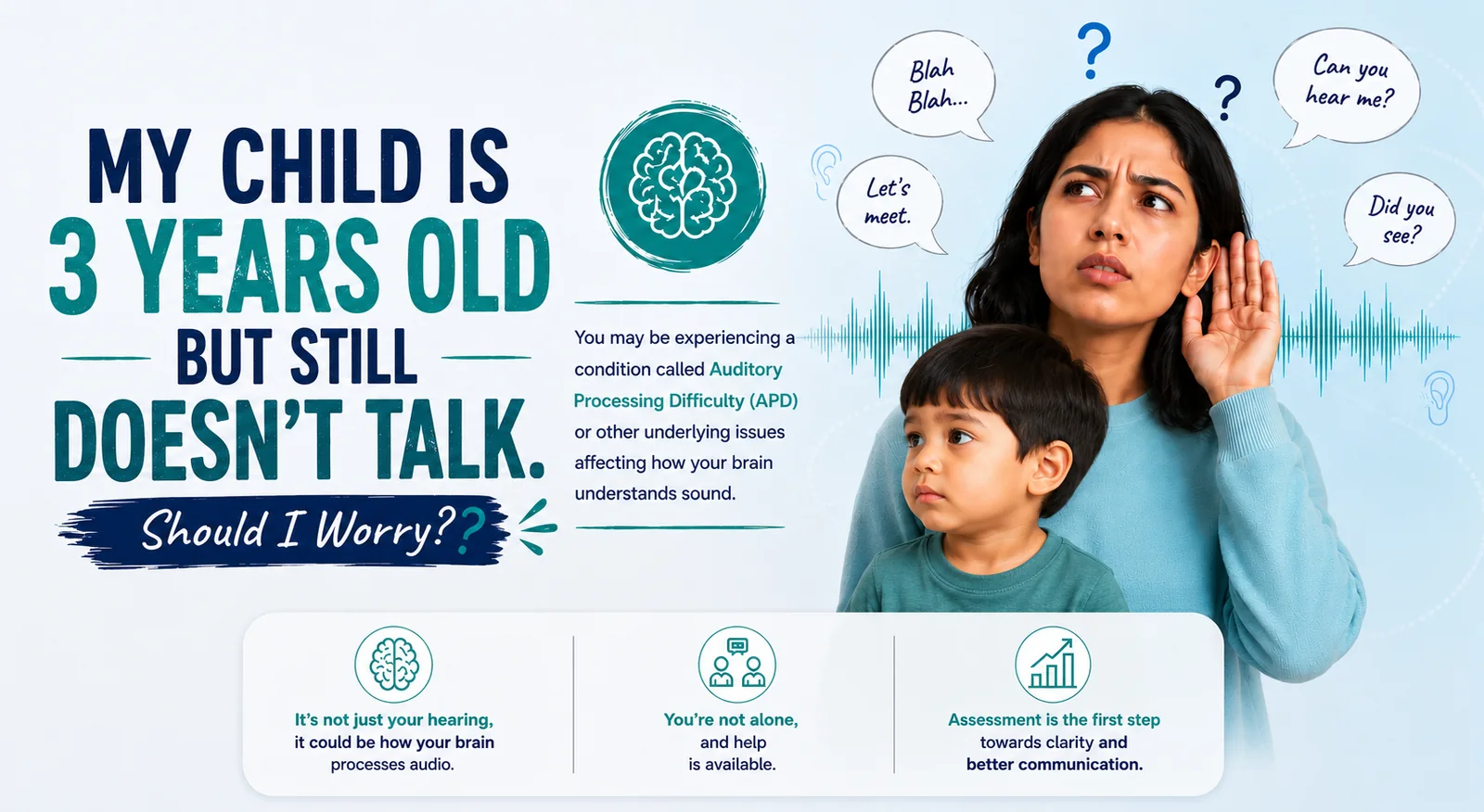
My Child Is 3 Years Old but Still Doesn't Talk. Should I Worry?
Delayed speech can be a sign of hearing loss or a developmental condition. Here's when to get an evaluation.
Jul 4, 2026
Bengal Rehabilitation Group
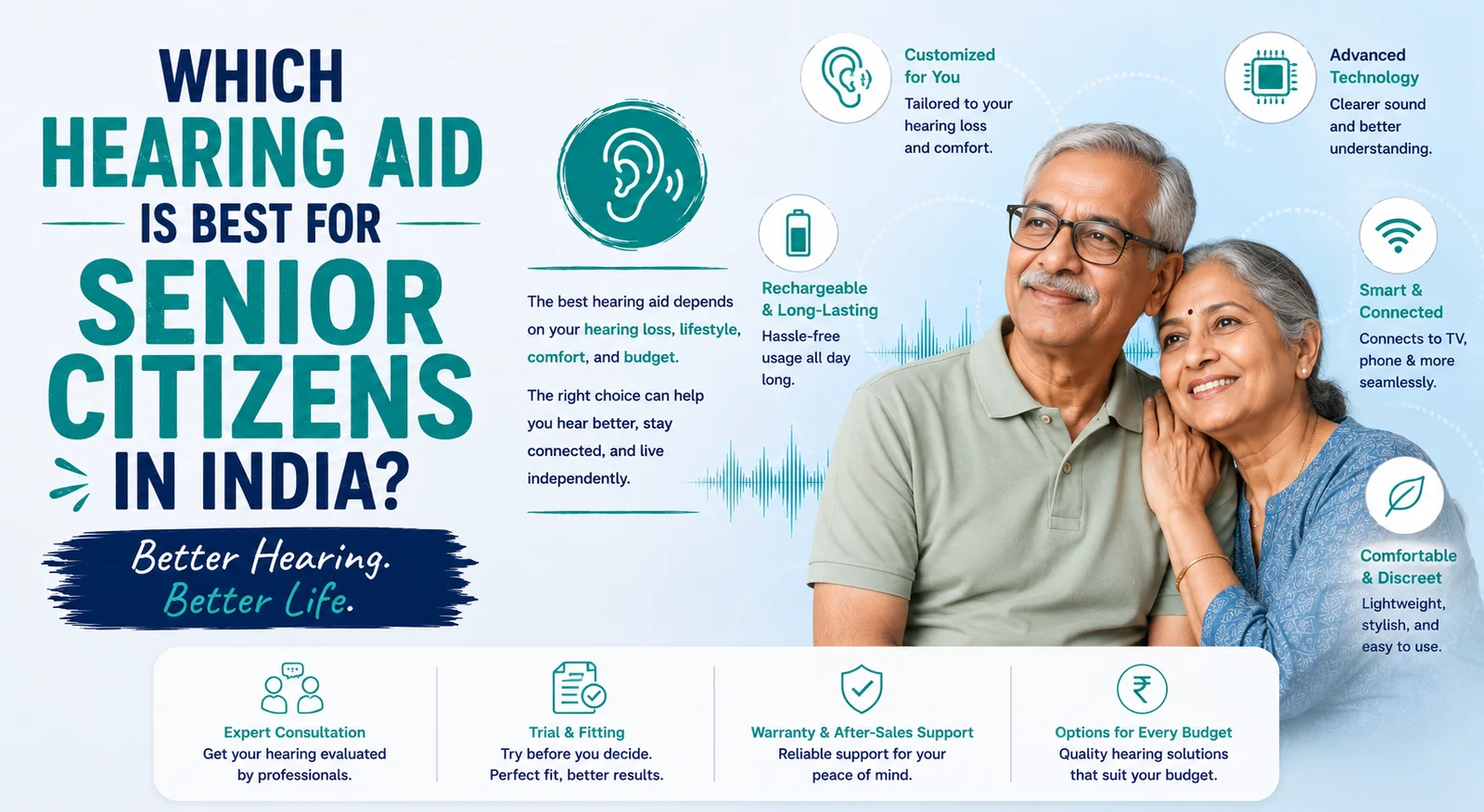
Which Hearing Aid Is Best for Senior Citizens in India?
The right hearing aid depends on hearing loss type, lifestyle & dexterity — not just the brand. Here's how to choose wisely.
Jul 6, 2026
Bengal Rehabilitation Group
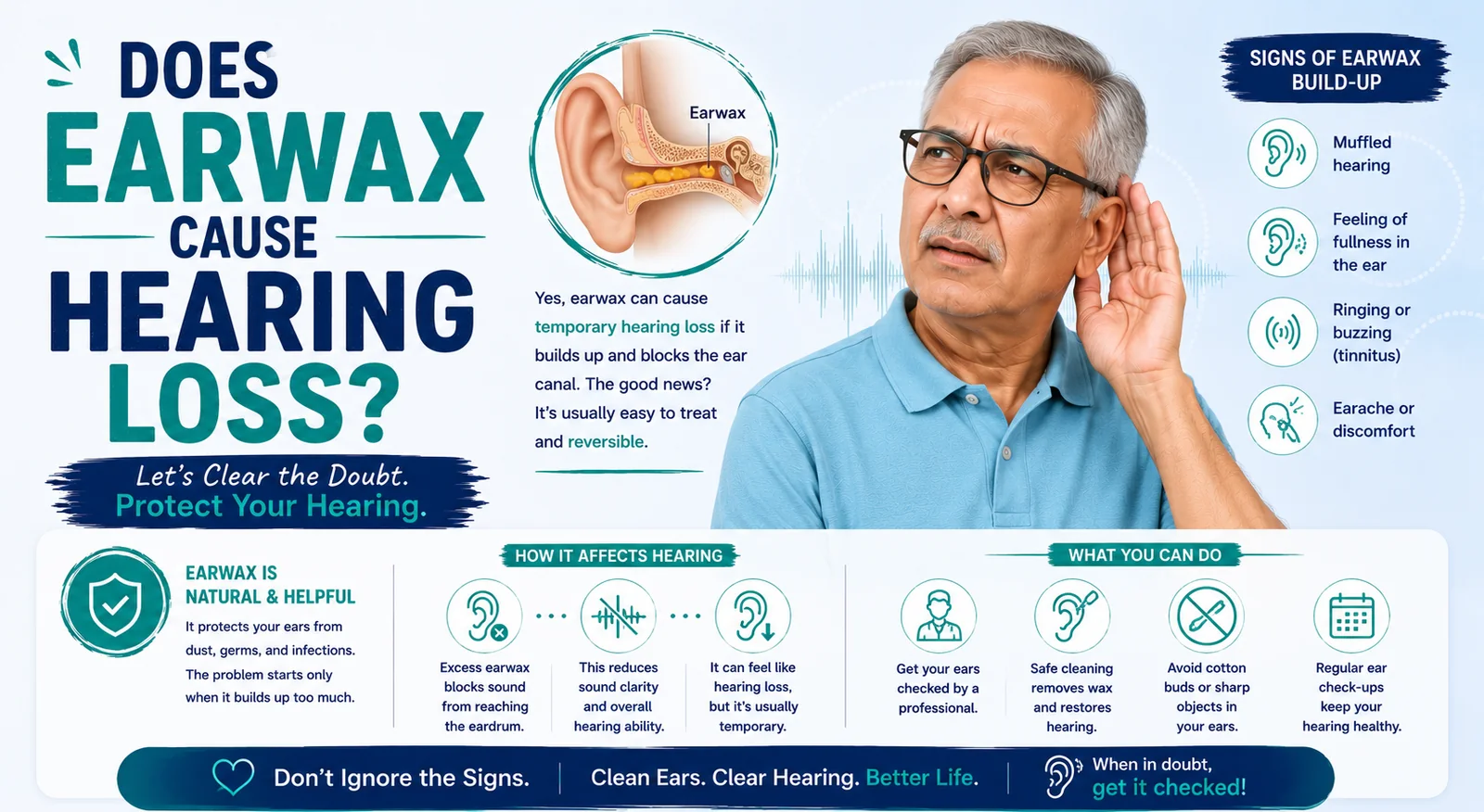
Does Earwax Cause Hearing Loss?
Yes, excessive earwax can temporarily block hearing. Learn why it happens and when to see an audiologist.
Jul 4, 2026
Bengal Rehabilitation Group
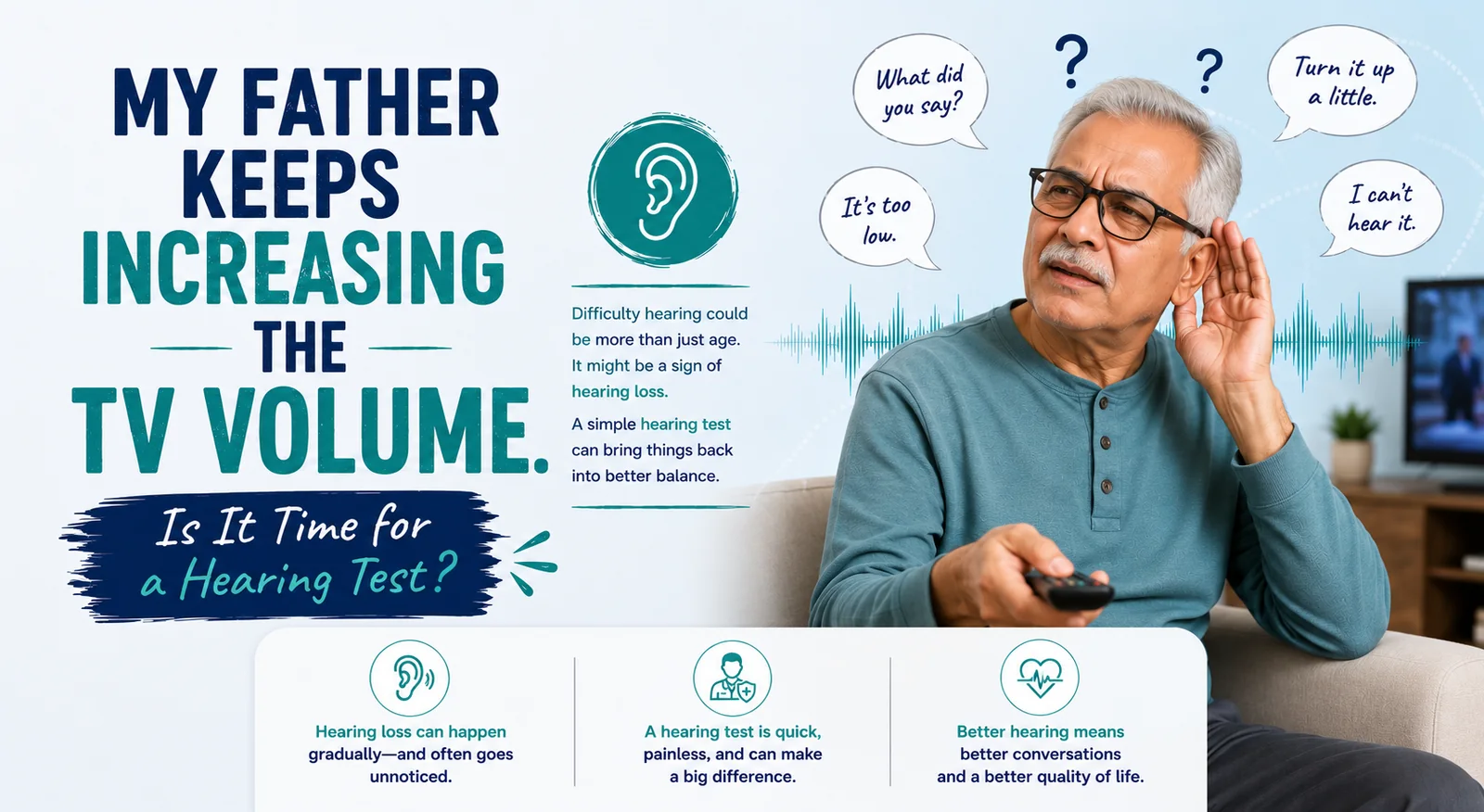
My Father Keeps Increasing the TV Volume. Is It Time for a Hearing Test?
Turning up the TV repeatedly can be an early sign of age-related hearing loss. Here's what to watch for.